

Last updated: June 13, 2026
Quick Answer: Homemade Nature’s Gatorade is a DIY electrolyte drink made from real food ingredients like coconut water, citrus juice, pink Himalayan salt, and raw honey. It replaces the sodium, potassium, and magnesium your body loses through sweat – without the artificial dyes, high-fructose corn syrup, or synthetic additives found in commercial sports drinks. Most batches take under 5 minutes to make and cost a fraction of store-bought options.
Key Takeaways
- 🍋 Homemade Nature’s Gatorade uses coconut water, citrus juice, sea salt, and honey to deliver real electrolytes
- 💧 The core minerals you need to replace after sweating are sodium, potassium, magnesium, and a small amount of natural sugar for absorption
- 💰 A homemade batch costs roughly $0.50-$1.00 per serving vs. $2-$4 for commercial sports drinks
- 🧒👴 Both kids and seniors can drink this with minor adjustments – but people with kidney disease, heart conditions, or diabetes should check with a doctor first
- ❄️ Homemade electrolyte drinks stay fresh in the fridge for up to 3 days in a sealed glass container
- ⚠️ The most common mistake is adding too much salt or skipping the natural sugar entirely – both affect how well your body absorbs electrolytes
- 🏃 For workouts under 60 minutes, plain water is usually enough; this drink shines during long hikes, hot weather activity, or illness recovery
- 🥥 Coconut water is one of the best natural electrolyte bases because it’s naturally high in potassium and magnesium [3]
- 🔄 If you can’t find coconut water, watermelon juice or diluted orange juice work as solid alternatives
What Exactly Is Nature’s Gatorade and How Is It Different from Regular Sports Drinks?
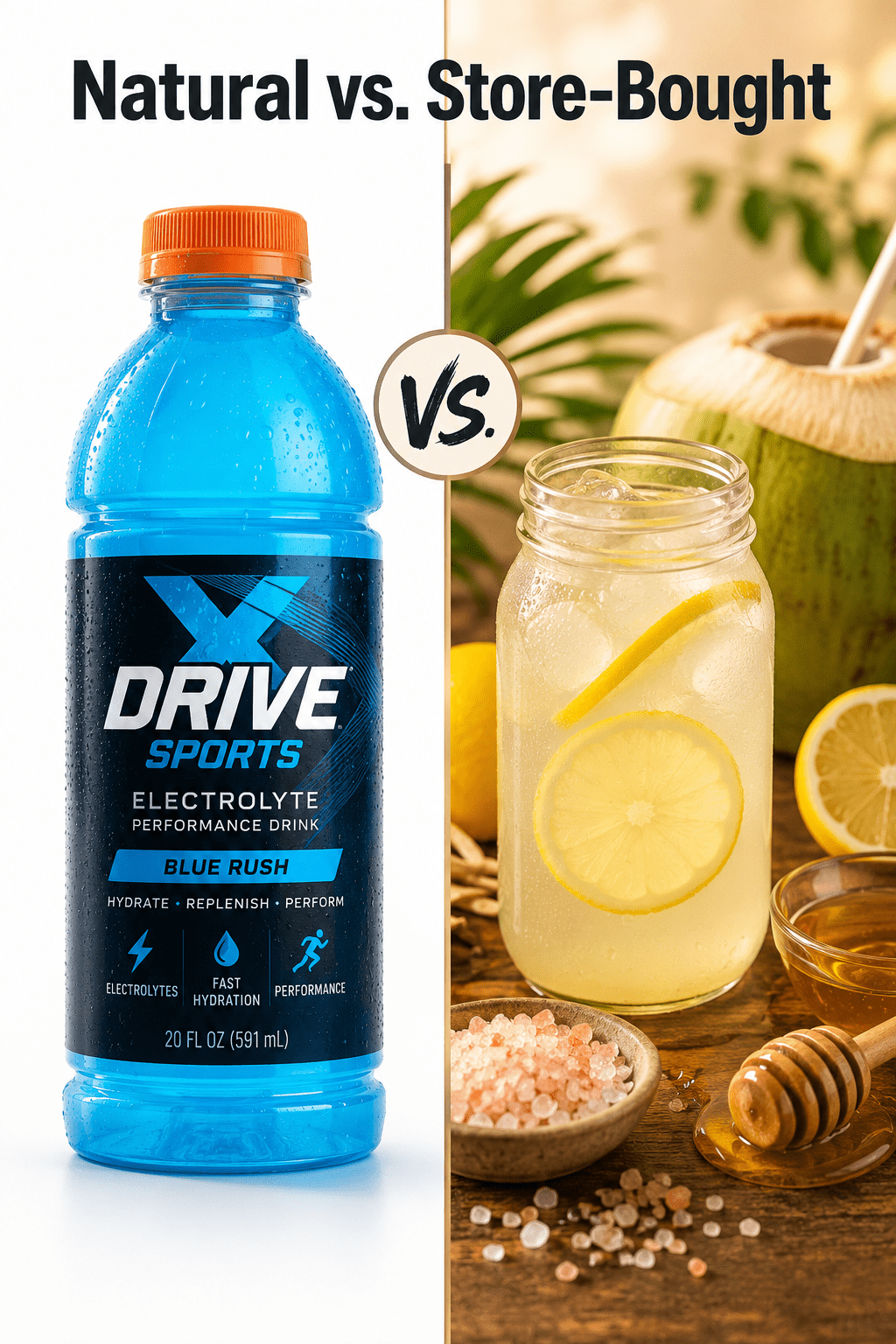
Nature’s Gatorade is a nickname for homemade electrolyte drinks built from whole, unprocessed ingredients. Unlike commercial Gatorade, which contains artificial colors (like Red 40 and Blue 1), high-fructose corn syrup, and synthetic flavor compounds, a natural version gets its minerals and energy from real food sources.
Here’s the core difference in plain terms:
| Feature | Commercial Gatorade | Homemade Nature’s Gatorade |
|---|---|---|
| Electrolyte source | Synthetic sodium/potassium salts | Sea salt, coconut water, citrus |
| Sweetener | High-fructose corn syrup | Raw honey, maple syrup, or fruit juice |
| Artificial colors | Yes (FD&C dyes) | No |
| Preservatives | Yes | No |
| Cost per serving | $2-$4 | $0.50-$1.00 (estimate) |
| Shelf life (open) | Weeks | 2-3 days refrigerated |
Harvard Health notes that for most people, a balanced diet already provides enough electrolytes – but during intense exercise, especially in heat, an electrolyte drink genuinely helps replenish what sweat takes away [2]. The homemade version gives you that replenishment without the ingredient list that reads like a chemistry textbook.
How to Make Homemade Nature’s Gatorade – The Core Recipe
Making homemade Nature’s Gatorade takes about 5 minutes and uses ingredients most people already have at home. The goal is to balance sodium (for fluid retention), potassium (for muscle function), a touch of natural sugar (to help absorption), and enough water to actually hydrate you.
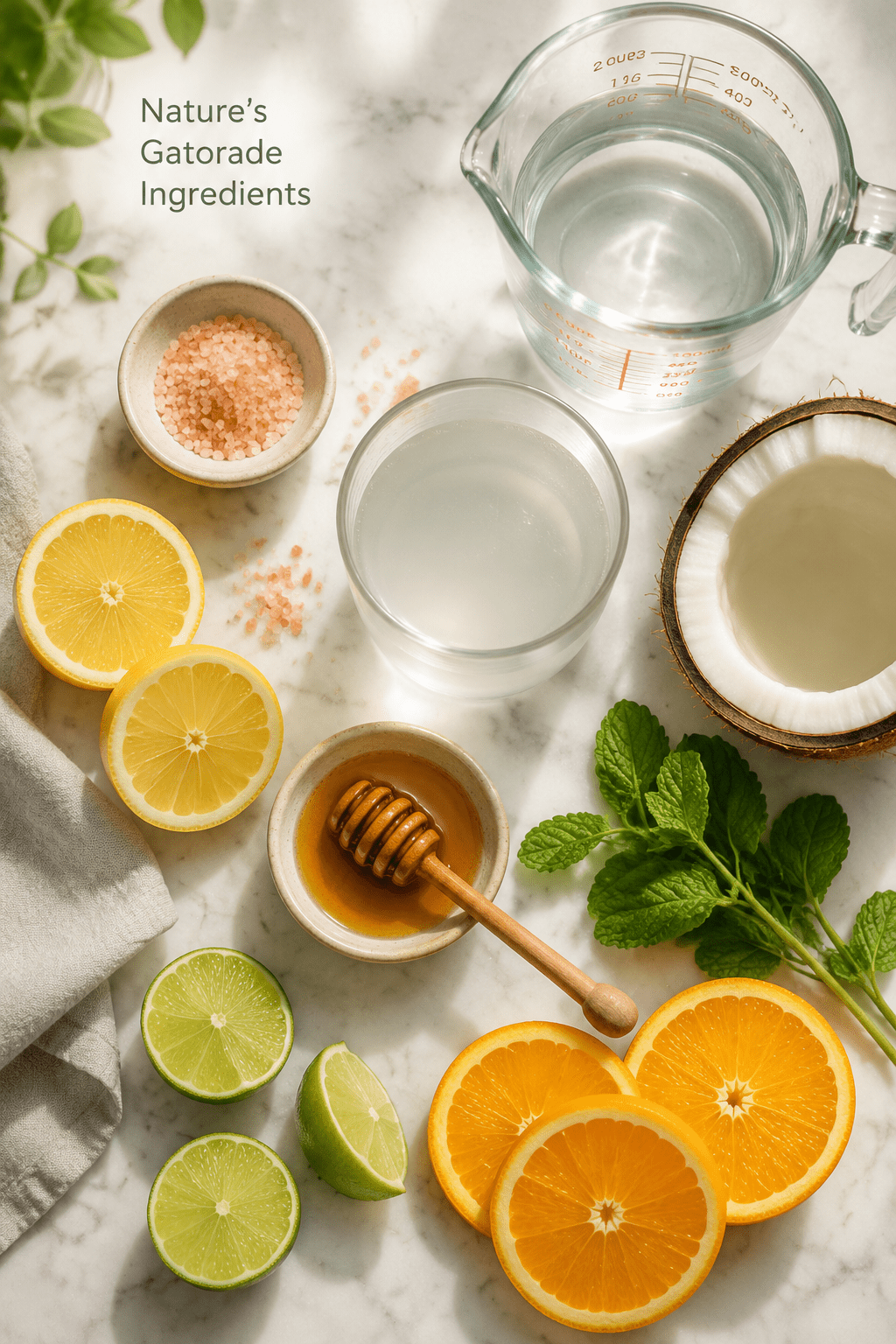
Ingredients
- 2 cups filtered water
- 1 cup unsweetened coconut water
- Juice of 1 lemon (about 3 tablespoons)
- Juice of half an orange (about 2 tablespoons)
- 1/4 teaspoon pink Himalayan salt or Celtic sea salt
- 1-2 teaspoons raw honey or pure maple syrup
- Optional: a few fresh mint leaves or a pinch of ginger for flavor
Step-by-Step Instructions
Step 1 – Juice your citrus. Squeeze the lemon and orange into a large glass or pitcher. Remove any seeds.
Step 2 – Add the coconut water and filtered water. Pour both into the pitcher with the citrus juice and stir briefly.
Step 3 – Add the salt. Measure carefully – 1/4 teaspoon is the sweet spot. Too little and you won’t replace sodium effectively; too much and it tastes unpleasant and can cause bloating.
Step 4 – Sweeten it. Add 1 teaspoon of raw honey for light activity or 2 teaspoons for longer, more intense workouts. Stir until fully dissolved. If the honey is thick, warm the liquid slightly first.
Step 5 – Taste and adjust. It should taste lightly salty, mildly sweet, and citrusy. If it’s too tart, add a tiny bit more honey. If it’s too salty, add a splash more water.
Step 6 – Chill and serve. Pour over ice or refrigerate for 30 minutes. Store leftovers in a sealed glass jar for up to 3 days [4].
Pro tip: Make a double batch on Sunday and store it in a mason jar. It’s ready to grab before morning workouts all week.
This base recipe is adapted from a well-documented combination used by nutritionists and natural health practitioners. Healthline confirms that a similar recipe – 1/4 teaspoon salt, lemon and lime juice, coconut water, and plain water – provides a solid electrolyte profile for exercise recovery [1].
For a fruit-forward variation, check out this homemade electrolyte drink with pineapple that adds tropical flavor and extra potassium.

What Ingredients Are Best for Replacing Lost Minerals During Exercise?
The four electrolytes you lose most through sweat are sodium, potassium, magnesium, and chloride. Your natural ingredients need to cover at least the first two to make a meaningful difference.
Here’s what each natural ingredient actually contributes:
- Pink Himalayan salt or Celtic sea salt – provides sodium and trace minerals. Unrefined salts are preferred over table salt because they contain a broader mineral profile [5]
- Coconut water – naturally high in potassium (around 600mg per cup) and magnesium; studies suggest it’s as effective as commercial sports drinks for moderate exercise rehydration [3]
- Lemon or lime juice – adds potassium, vitamin C, and citric acid, which supports mineral absorption
- Orange juice – contributes potassium and natural glucose for faster electrolyte uptake
- Raw honey – provides glucose and fructose, which help carry sodium across the gut wall more efficiently [5]
- Magnesium-rich add-ins – a small pinch of food-grade magnesium powder or a splash of mineral water can boost magnesium if you’re doing long endurance sessions
Choose coconut water as your base if you’re doing moderate-to-high intensity workouts or exercising in heat. Choose plain water with citrus and salt if you’re on a budget or can’t find coconut water.
You can also explore our 7 DIY electrolyte drink recipes for more ingredient combinations tailored to different needs.
Is a homemade sports drink cheaper than buying Gatorade?
Yes, by a significant margin. A single 32oz bottle of Gatorade retails for roughly $2-$3 in 2026. A homemade batch of the same volume costs an estimated $0.50-$1.00 in ingredients, depending on whether you’re buying coconut water in bulk or using fresh-squeezed citrus.
The biggest cost driver is coconut water. If you buy it in individual cartons, it adds up. Buy it in larger cartons or tetra packs to cut the per-serving cost in half. Lemons, salt, and honey are pantry staples that cost almost nothing per serving.
Over a month of daily use, the savings add up to $30-$60 compared to buying commercial sports drinks – a rough estimate based on typical retail pricing.
Can Kids and Seniors Drink This Natural Electrolyte Mix?
Yes, with some adjustments. Homemade Nature’s Gatorade is generally safe for both kids and seniors, and in many cases it’s a better choice than commercial sports drinks because it avoids artificial dyes and excess sugar.
For kids (ages 4 and up):
- Reduce the salt to 1/8 teaspoon per serving
- Use 1 teaspoon of honey maximum (or skip it for younger children under 1 year old – honey is not safe for infants)
- Dilute with extra water for smaller body weights
- This is a good option during sports, hot summer days, or after illness with vomiting or diarrhea
For seniors:
- The potassium in coconut water is beneficial for heart and muscle function
- Seniors who are on blood pressure medications or diuretics should check with their doctor before increasing electrolyte intake, as some medications affect potassium and sodium levels [6]
- Reduce honey if managing blood sugar
For parents looking for more natural kid-friendly supplements, our DIY kids vitamin gummies are another great option to explore.
What Are Common Mistakes People Make When Mixing Homemade Hydration Drinks?
Most people either add too much salt, skip the sugar entirely, or use tap water with chlorine that can affect taste and mineral balance. Here are the most common errors and how to fix them:
Mistake 1 – Too much salt. More salt doesn’t mean better hydration. Excess sodium can cause nausea and actually draw water out of cells. Stick to 1/4 teaspoon per 3 cups of liquid.
Mistake 2 – Skipping the natural sugar. Sugar isn’t the enemy here – a small amount of glucose is what helps sodium get absorbed through the intestinal wall. Without it, electrolyte absorption is slower [5]. Use 1-2 teaspoons of honey or maple syrup.
Mistake 3 – Using bottled lemon juice from concentrate. Fresh-squeezed citrus has more potassium and vitamin C. Concentrate often has preservatives that work against the “natural” goal.
Mistake 4 – Drinking it too fast. Sip steadily rather than gulping. Your gut absorbs fluids more efficiently in smaller, consistent amounts.
Mistake 5 – Making it too far in advance. Without preservatives, fresh citrus juice starts losing vitamin C within 24-48 hours. Make it fresh every 1-2 days for best results.
Which Natural Ingredients Work Best for Different Types of Workouts?
Not all exercise is the same, and your hydration drink can be tuned to match the demand. Here’s a practical breakdown:
- Short gym session (under 45 min): Plain water is fine. If you want a light boost, add just lemon juice and a pinch of salt to water.
- Long run or cycling (60-90+ min): Use the full recipe with coconut water, citrus, salt, and honey. The natural sugars help fuel muscles and carry electrolytes.
- Hot weather hiking: Double the coconut water and add a small pinch of magnesium powder if available. Heat increases sweat rate significantly.
- Yoga or low-intensity movement: Plain water or a very diluted version with just lemon and a tiny pinch of salt.
- Illness recovery (vomiting, diarrhea): Use the full recipe but sip very slowly – small amounts every 10-15 minutes. The sodium-glucose combination closely mirrors oral rehydration therapy principles.
For a fruit-based twist that works great for endurance training, try our homemade blueberry lemon electrolyte drink which adds antioxidants alongside the electrolytes.
How Much Should You Drink During Long Hikes or Marathon Training?
During prolonged activity, aim for 16-24 oz (about 2-3 cups) of electrolyte drink per hour, depending on heat and sweat rate. This is a general guideline – individual needs vary based on body size, temperature, and intensity.
A practical approach for long events:
- Before: Drink 8-12 oz of your homemade mix 30 minutes before starting
- During: Sip 6-8 oz every 20-30 minutes rather than drinking large amounts at once
- After: Drink 16-24 oz within the first hour of finishing to begin recovery
Don’t overdo it. Drinking too much plain water during a marathon without electrolytes can cause hyponatremia (dangerously low sodium) – a real risk for endurance athletes. The salt in your homemade drink helps prevent this [2].
Are There Any Risks or Side Effects of Drinking Homemade Electrolyte Water?
For most healthy adults, homemade Nature’s Gatorade is very safe. But a few situations call for caution.
Potential risks to be aware of:
- Kidney disease: People with impaired kidney function may struggle to process excess potassium. Coconut water is high in potassium, so check with a doctor before using it regularly [6]
- Hypertension (high blood pressure): The sodium in this drink is low, but if you’re on a strict sodium-restricted diet, even 1/4 teaspoon of salt per serving adds up over multiple servings
- Diabetes: Raw honey and fruit juice raise blood sugar. Use a very small amount of honey (1/2 teaspoon) or substitute with a few drops of liquid stevia
- Heart conditions: Some heart medications (like ACE inhibitors) raise potassium levels. Adding a high-potassium drink on top could push levels too high [6]
For otherwise healthy people, the risks are minimal. The drink contains far less sodium and sugar than commercial sports drinks, and the ingredients are all food-grade.
Can People with Diabetes or Heart Conditions Use This Natural Hydration Drink?
People with diabetes can use a modified version by replacing honey with stevia and reducing or eliminating fruit juice. The base of water, coconut water, and a pinch of salt is low-glycemic and generally safe, but portion size matters.
People with heart conditions should consult their cardiologist before adding a potassium-rich drink like this to their daily routine, especially if they’re on potassium-sparing diuretics or ACE inhibitors. The coconut water component is the main concern here due to its naturally high potassium content [3].
What Alternatives Exist If You Can’t Find Some of the Natural Ingredients?
Coconut water is the most common ingredient people can’t find or afford. Here are solid swaps:
- Instead of coconut water: Use watermelon juice (blend fresh watermelon and strain), diluted orange juice (50/50 with water), or simply add an extra pinch of salt and a banana (blended in or eaten alongside)
- Instead of raw honey: Pure maple syrup, a few drops of liquid stevia, or a small amount of 100% fruit juice
- Instead of pink Himalayan salt: Celtic sea salt or regular sea salt work fine. Table salt (iodized) is a last resort – it works but lacks trace minerals
- Instead of fresh lemon: Lime juice, grapefruit juice, or even a splash of apple cider vinegar (use less – about 1 teaspoon)
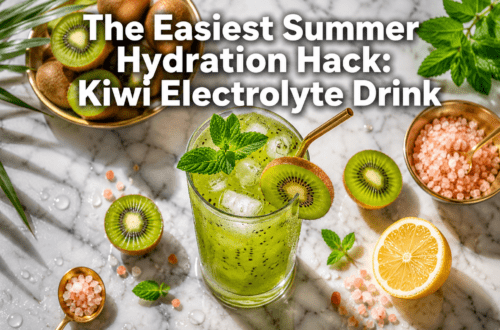
You can also explore our kiwi electrolyte drink and homemade strawberry electrolyte drink for creative fruit-based alternatives that are just as effective.
How Long Can You Store Homemade Nature’s Gatorade in the Fridge?
Homemade Nature’s Gatorade stays fresh for up to 3 days when stored in a sealed glass container in the refrigerator. After that, the fresh citrus juice starts to oxidize and lose both flavor and vitamin C content.
Storage tips:
- Use a glass mason jar with a tight lid – plastic can absorb citrus flavors and may leach compounds over time
- Always use a clean spoon or pour directly – avoid backwashing into the jar
- Give it a quick shake or stir before drinking since the honey can settle
- If it smells off or looks cloudy beyond normal pulp, discard it
Don’t freeze it long-term – the texture of coconut water changes after freezing, and citrus juice can become bitter.
What’s the Difference Between This and Store-Bought Electrolyte Powders?
Store-bought electrolyte powders (like Liquid IV, LMNT, or Nuun) are convenient and precisely dosed, but most contain additives, artificial sweeteners, or synthetic vitamins that some people prefer to avoid. Harvard Health points out that for most people, these products aren’t necessary and that whole-food sources of electrolytes are equally effective for everyday hydration needs [2].
Key differences:
- Ingredient quality: Homemade uses whole food sources; powders often use isolated synthetic minerals
- Additives: Many powders contain citric acid, natural flavors (which can be synthetic), stevia, or erythritol
- Cost: Powders cost $1.50-$3.00 per serving; homemade costs $0.50-$1.00 (estimate)
- Convenience: Powders win here – they’re portable and shelf-stable
- Customization: Homemade lets you adjust every ingredient to your taste and needs
Choose powders if you’re traveling or need something shelf-stable for a race pack. Choose homemade if you’re at home, want full ingredient control, or are sensitive to artificial sweeteners.
FAQ
Q: Can I drink homemade Nature’s Gatorade every day?
Yes, for most healthy adults, drinking one serving daily is fine. It’s essentially water with minerals and a small amount of natural sugar – nothing harmful in moderate amounts. If you’re sedentary and not sweating much, plain water is sufficient for daily hydration [6].
Q: Does homemade electrolyte drink actually work for hangovers?
It can help. Alcohol causes dehydration and mineral loss, so a drink with sodium, potassium, and water does support recovery. Sip it slowly alongside food for best results.
Q: Can I add magnesium to this recipe?
Yes. A small pinch (about 1/8 teaspoon) of food-grade magnesium citrate powder can be added. Magnesium supports muscle relaxation and sleep. Don’t overdo it – too much magnesium causes digestive upset.
Q: Is coconut water safe during pregnancy?
Coconut water is generally considered safe during pregnancy and can help with hydration and nausea. Check with your OB/GYN if you have any concerns, especially regarding potassium intake.
Q: Can I use this recipe for my dog?
No. Dogs have different electrolyte needs, and honey and citrus are not appropriate for dogs. Consult a vet for pet-specific hydration solutions.
Q: Why does my homemade electrolyte drink taste too salty?
You likely added too much salt or didn’t add enough sweetener to balance it. Add another teaspoon of honey and a splash more water, then taste again.
Q: Can I make a sugar-free version?
Yes. Replace honey with 3-5 drops of liquid stevia. The drink will still provide electrolytes – you’ll just lose the glucose-assisted absorption benefit, which matters more during intense exercise than casual hydration.
Q: Is this safe to drink before bed?
Yes, a small amount (4-6 oz) before bed is fine and may even support overnight muscle recovery. Just don’t drink a large amount right before sleeping if you want to avoid bathroom trips.
Q: What if I don’t like the taste of coconut water?
Replace the coconut water with an equal amount of filtered water and add a small banana (blended in) or a splash of orange juice. You’ll still get potassium without the coconut flavor.
Q: Does this drink replace water entirely?
No. Think of it as a supplement to water, not a replacement. Plain water should still make up the majority of your daily fluid intake.
Conclusion
Making your own homemade Nature’s Gatorade is one of the simplest swaps you can make for your health. You get real electrolytes from real food, skip the artificial dyes and synthetic additives, and spend a fraction of what you’d pay at the store.
Your action steps starting today:
- Pick up a carton of coconut water, a bag of lemons, pink Himalayan salt, and raw honey on your next grocery run
- Make one batch using the core recipe in this article and taste it before your next workout or outdoor activity
- Adjust the sweetness and saltiness to your preference – everyone’s palate is different
- Store it in a glass mason jar and make it a weekly habit
If you want to keep exploring natural hydration options, our 7 DIY electrolyte drink recipes and homemade blueberry lemon electrolyte drink are great next reads. And if you’re into natural wellness beyond drinks, the Herbal Handbook’s getting started guide is a solid foundation for building a whole-food health toolkit.
Your body doesn’t need neon-blue liquid to stay hydrated. It needs water, minerals, and a little natural fuel – and you can make that yourself in under 5 minutes.
References
[1] Electrolyte Water – https://www.healthline.com/nutrition/electrolyte-water?utm_source=openai
[2] Gatorade Liquid Iv Do You Need Extra Electrolytes – https://www.health.harvard.edu/diet-and-nutrition/gatorade-liquid-iv-do-you-need-extra-electrolytes?utm_source=openai
[3] Coconut Water Benefits – https://www.healthline.com/nutrition/coconut-water-benefits?utm_source=openai
[4] Homemade Electrolyte Drinks That Beat Store Bought Versions – https://www.healthspectra.com/homemade-electrolyte-drinks-that-beat-store-bought-versions/?utm_source=openai
[5] 5 Homemade Electrolyte Drink Recipes – https://www.proteinsuppliesaustralia.com.au/blogs/articles/5-homemade-electrolyte-drink-recipes?utm_source=openai
[6] Are Electrolyte Drinks Good For You – https://integrishealth.org/resources/on-your-health/2025/june/are-electrolyte-drinks-good-for-you?utm_source=openai
[7] Homemade Electrolyte Drinks – https://www.besteverrecipes.com/homemade-electrolyte-drinks/?utm_source=openai