


Starting your day with the right herbal tea can transform how your body defends itself. Herbal teas for immunity and wellness offer more than just comfort—they deliver powerful plant compounds that support your immune system, reduce inflammation, and help your body reset from daily stress. Recent research published in January 2026 confirms that freshly brewed tea supports long-term health across multiple dimensions, with specific compounds showing antiviral, antibacterial, and anti-inflammatory benefits.[2]
I’ve spent years exploring natural remedies and testing which herbal teas actually deliver on their wellness promises. The five teas I’m sharing today aren’t just pleasant drinks—they’re evidence-backed tools for immune support.
This content is for informational purposes only and is not medical advice. Always consult a healthcare professional before trying any remedy.
Key Takeaways
- Turmeric tea contains curcumin, a compound with powerful anti-inflammatory properties that supports immune function when paired with black pepper
- Ginger tea offers antimicrobial benefits and helps boost immune defenses while soothing digestive discomfort
- Chamomile tea provides antibacterial properties and stress reduction, both crucial for maintaining strong immunity
- Peppermint tea delivers antiviral and antimicrobial effects along with high antioxidant content
- Licorice root tea has been used in traditional medicine for centuries due to its antiviral and antimicrobial properties
- Polyphenols and L-theanine in these teas reduce inflammation and support immune function[1]
- Avoid bottled teas with added sugars and artificial sweeteners that weaken natural health benefits[2]
Quick Answer
The five best herbal teas for immunity and wellness are turmeric, ginger, chamomile, peppermint, and licorice root. These teas contain specific compounds—including polyphenols, L-theanine, and antimicrobial agents—that support immune function, reduce inflammation, and provide antiviral protection. Research from 2026 confirms that freshly brewed tea delivers measurable health benefits, particularly when consumed regularly as part of a daily wellness routine.[1][2][3]
What Makes Herbal Teas for Immunity and Wellness Actually Work?
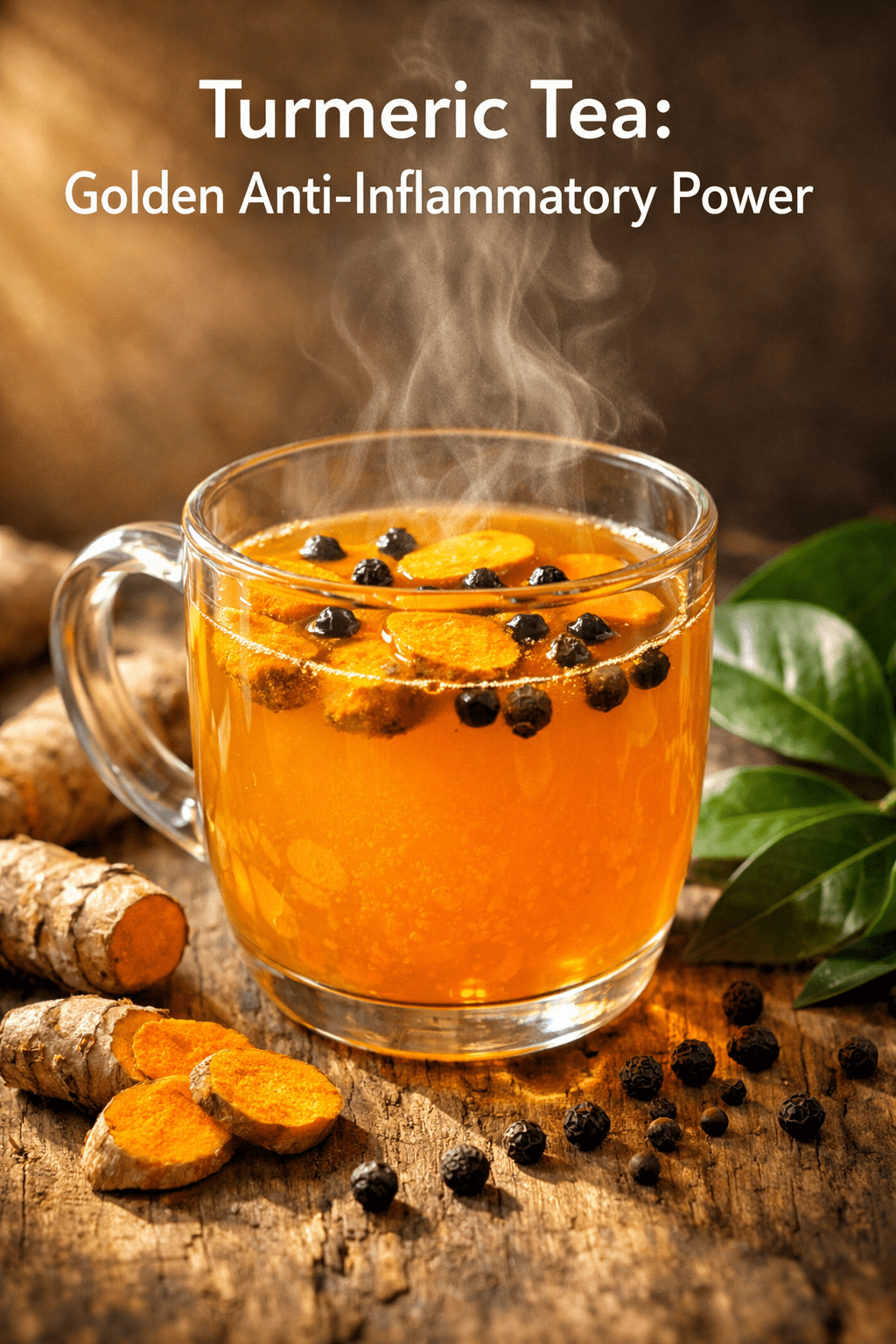
Herbal teas support immunity through specific plant compounds that activate your body’s defense systems. Polyphenols act as antioxidants that reduce inflammation and support immune function, while compounds like L-theanine provide stress reduction and anti-inflammatory benefits.[1]
The science behind immune-supporting teas centers on three key mechanisms:
Antioxidant activity: Plant compounds neutralize free radicals that damage cells and weaken immune response. This protective effect helps your body maintain stronger defenses against pathogens.
Anti-inflammatory effects: Chronic inflammation suppresses immune function. The compounds in herbal teas help regulate inflammatory responses, allowing your immune system to work more efficiently.
Antimicrobial properties: Multiple tea types possess antiviral and antibacterial properties that can help prevent the growth and spread of pathogens.[1][3] This creates an additional layer of protection beyond your body’s natural defenses.
Important consideration: These benefits apply specifically to freshly brewed teas. Modern bottled teas and bubble teas often contain added sugars, artificial sweeteners, and preservatives that can weaken tea’s natural health benefits.[2] Choose traditional brewing methods whenever possible.
The compounds in herbal teas activate and release their beneficial properties after a few minutes of exposure to hot liquids.[1] This is why proper brewing technique matters for getting the full immune-supporting effects.
Which Herbal Tea Is Best for Immune Support?
Turmeric tea stands out as the most powerful option for immune support due to its high concentration of curcumin, a compound with exceptional anti-inflammatory and antioxidant properties. However, the “best” tea depends on your specific wellness needs and health goals.
The Top 5 Herbal Teas for Immunity and Wellness
| Tea Type | Primary Benefits | Best For | Brewing Time |
|---|---|---|---|
| Turmeric | Anti-inflammatory, antioxidant | Chronic inflammation, joint health | 10-15 minutes |
| Ginger | Antimicrobial, digestive support | Nausea, immune defense | 5-10 minutes |
| Chamomile | Antibacterial, stress reduction | Sleep quality, anxiety | 5-7 minutes |
| Peppermint | Antiviral, respiratory support | Congestion, headaches | 5-7 minutes |
| Licorice Root | Antiviral, antimicrobial | Sore throat, cough | 10-12 minutes |
Choose turmeric if: You’re dealing with inflammation-related issues or want the strongest antioxidant protection. Always add black pepper to increase curcumin absorption by up to 2000%.
Choose ginger if: You need digestive support along with immune benefits, or you’re prone to nausea and stomach discomfort.
Choose chamomile if: Stress is compromising your immune function, or you need better sleep quality (poor sleep weakens immunity).
Choose peppermint if: You’re experiencing respiratory symptoms or need immediate relief from congestion while supporting immune function.[3]
Choose licorice root if: You have a sore throat or cough, but limit consumption to a few cups per day due to its potency.[3]
Common mistake: Drinking only one type of tea. Rotating between these five options provides a broader spectrum of immune-supporting compounds and prevents your body from adapting to a single stimulus.
How Do You Brew Herbal Teas for Maximum Immune Benefits?

Proper brewing technique extracts the maximum amount of beneficial compounds from herbal teas. Use water between 200-212°F (just below boiling), steep for the recommended time, and cover your cup while brewing to prevent volatile compounds from escaping.
Step-by-Step Brewing Guide
Step 1: Start with quality water
Use filtered water when possible. Chlorine and other chemicals in tap water can interfere with the extraction of beneficial compounds and alter taste.
Step 2: Heat water to the right temperature
Bring water to a full boil, then let it cool for 30-60 seconds. This brings the temperature to the ideal range of 200-212°F for most herbal teas.
Step 3: Measure properly
- Loose leaf herbs: 1-2 teaspoons per 8 oz cup
- Fresh herbs: 2-3 teaspoons per 8 oz cup
- Tea bags: Follow package directions
Step 4: Cover while steeping
Place a small plate or lid over your cup. This traps steam and prevents essential oils and volatile compounds from evaporating.
Step 5: Steep for the right duration
- Peppermint, chamomile: 5-7 minutes
- Ginger: 5-10 minutes
- Turmeric, licorice root: 10-15 minutes
Step 6: Enhance absorption
Add these ingredients to boost effectiveness:
- Black pepper with turmeric (increases curcumin absorption)
- Honey for antimicrobial benefits (add after brewing, not during)
- Lemon for vitamin C and flavor (add after brewing to preserve vitamin content)
Edge case: If you’re using fresh ginger or turmeric root instead of dried, slice thinly and simmer gently for 10-15 minutes rather than just steeping. This extracts more beneficial compounds from the fibrous root material.
The most popular immune-boosting additions include spearmint, basil, cloves, ginger, turmeric, cinnamon, and black pepper, which activate and release beneficial compounds after a few minutes of exposure to hot liquids.[1]
Can You Drink Herbal Teas for Immunity Every Day?
Yes, you can safely drink most immune-supporting herbal teas daily, with the exception of licorice root which should be limited to a few cups per day. Regular consumption provides cumulative benefits, as the compounds in these teas support long-term health across multiple dimensions.[2]
Recommended daily amounts:
- Turmeric tea: 1-3 cups daily
- Ginger tea: 2-4 cups daily
- Chamomile tea: 1-4 cups daily
- Peppermint tea: 2-3 cups daily
- Licorice root tea: 1-2 cups daily (maximum)
Timing considerations:
Morning: Ginger or turmeric tea provides anti-inflammatory benefits and can support metabolism. Green tea catechins demonstrated metabolic benefits, showing that tea can support weight loss and improve metabolism specifically in people with obesity.[2]
Afternoon: Peppermint tea offers an energy boost without caffeine and supports digestion after lunch.
Evening: Chamomile tea promotes relaxation and better sleep quality. Older adults who drink tea frequently show slower cognitive decline, and quality sleep is essential for immune function.[2]
Important warnings:
- Pregnancy: Avoid licorice root tea and limit ginger tea to 1 cup daily. Consult your healthcare provider before adding herbal teas to your routine.
- Medications: Turmeric can interact with blood thinners, and licorice root can affect blood pressure medications.
- Allergies: If you’re allergic to ragweed, you may also react to chamomile.
Common mistake: Drinking herbal tea inconsistently and expecting immediate results. The immune-supporting benefits build over time with regular consumption. Think of these teas as part of your daily wellness routine, not a quick fix when you’re already sick.
For additional immune support strategies, explore our guide on natural remedies for cough that complement these tea recommendations.
What Are the Specific Benefits of Each Immune-Supporting Tea?
Each of the five herbal teas offers unique immune-supporting properties that work through different mechanisms in your body.
Turmeric Tea: The Anti-Inflammatory Powerhouse
Turmeric contains curcumin, a compound with powerful anti-inflammatory and antioxidant properties. This golden spice helps regulate immune responses and reduces chronic inflammation that can suppress immune function.
Key benefits:
- Reduces inflammatory markers in the body
- Provides strong antioxidant protection
- Supports joint health and mobility
- May help with age-related muscle loss[2]
How to maximize benefits: Always add a pinch of black pepper and a small amount of healthy fat (like coconut oil or full-fat milk) to increase curcumin absorption. Without these additions, your body absorbs very little of the beneficial compounds.
Ginger Tea: Antimicrobial Defense
Ginger contains antimicrobial properties that boost immune system defenses and is available in both caffeinated and herbal tea formulations.[3] It also provides digestive support, which is crucial since about 70% of your immune system resides in your gut.
Key benefits:
- Fights bacterial and viral infections
- Reduces nausea and digestive discomfort
- Supports respiratory health
- Provides warming, circulation-boosting effects
Choose ginger if: You need immune support combined with digestive benefits, or you’re experiencing early cold symptoms.
Chamomile Tea: Stress-Reducing Immune Support
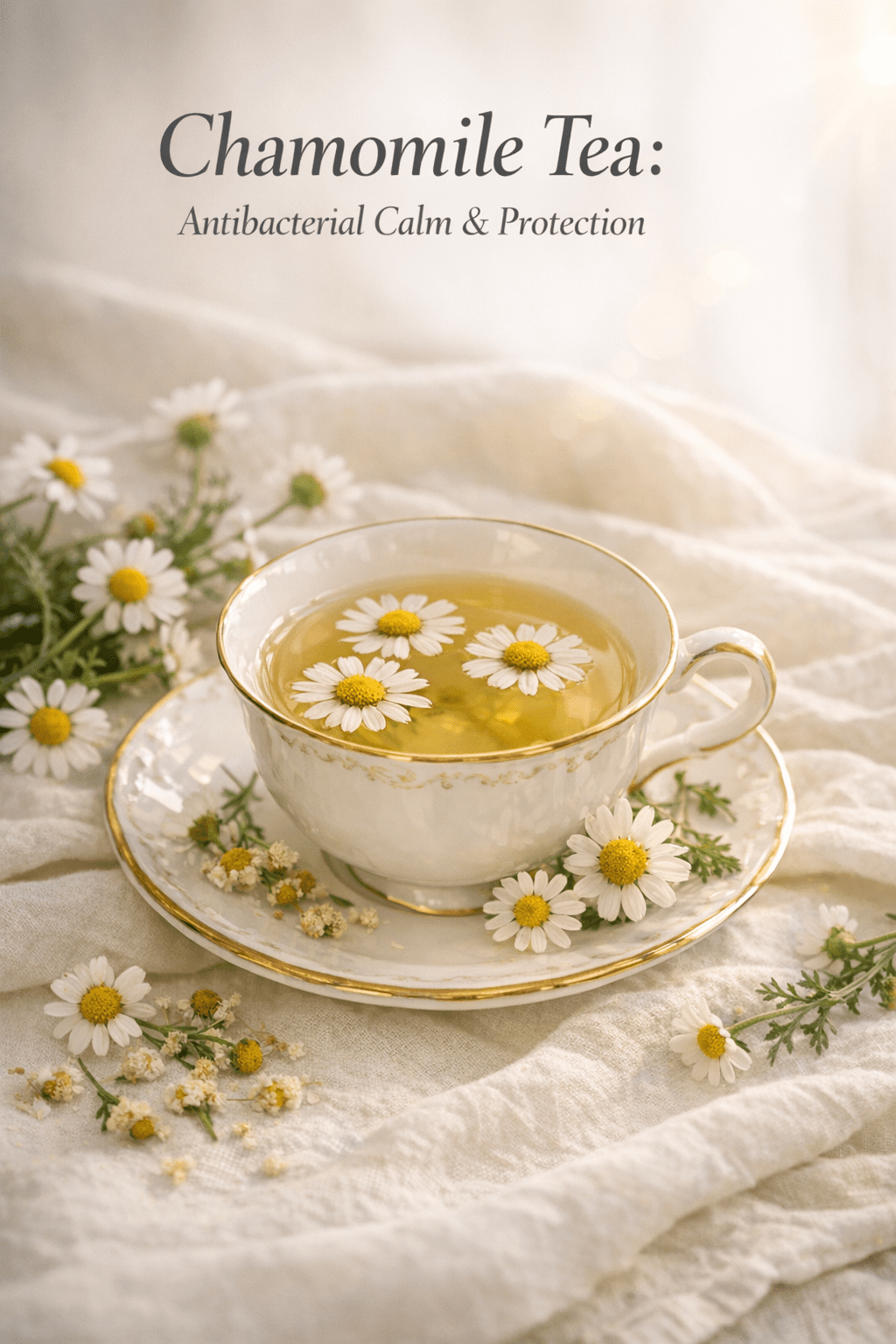
Recent research indicates chamomile may contain antibacterial properties that help ward off illness, with historical use in herbal medicine for immune support and cold symptom relief.[3] The stress-reduction benefits are equally important, since chronic stress significantly weakens immune function.
Key benefits:
- Provides antibacterial protection
- Reduces stress and anxiety
- Improves sleep quality
- Supports digestive health
Important note: Better sleep directly supports immune function. Poor sleep quality reduces the production of protective cytokines and infection-fighting antibodies.
Peppermint Tea: Respiratory and Antiviral Support
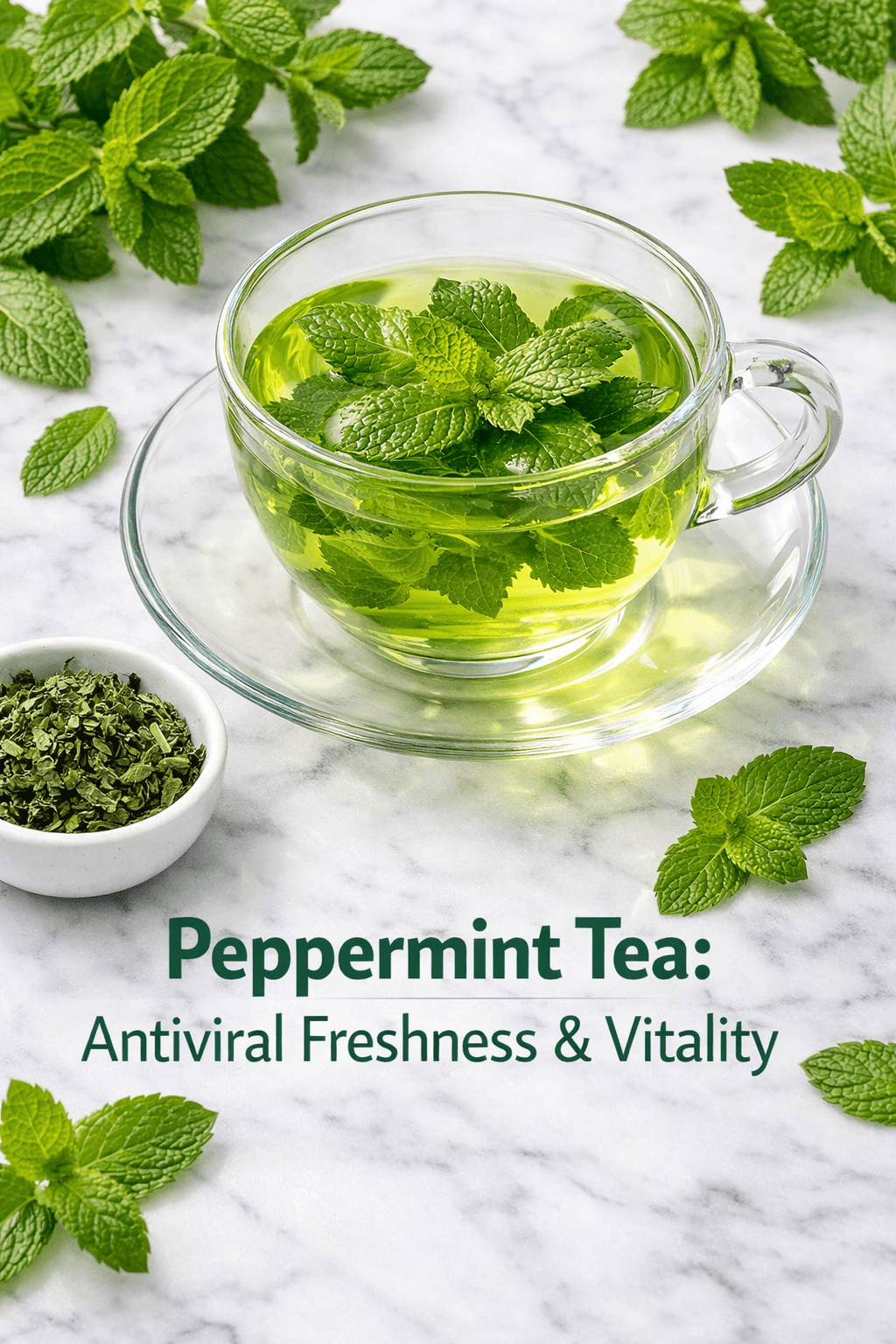
Studies show peppermint has antimicrobial and antiviral properties along with high antioxidant content, making it particularly effective when feeling under the weather.[3]
Key benefits:
- Clears respiratory congestion
- Provides antiviral protection
- Relieves headaches and muscle tension
- Supports digestive comfort
Best use: Drink peppermint tea at the first sign of respiratory symptoms or when you need mental clarity and focus.
Licorice Root Tea: Traditional Immune Remedy
Used in Chinese herbal medicine for hundreds of years, licorice root contains antiviral and antimicrobial properties, though should be consumed in moderation (limited to a few cups per day).[3]
Key benefits:
- Soothes sore throat and cough
- Provides antiviral protection
- Supports respiratory health
- May help with digestive ulcers
Critical warning: Licorice root can raise blood pressure and lower potassium levels when consumed in excess. Stick to 1-2 cups daily and avoid if you have high blood pressure or heart conditions.
How Do Herbal Teas Compare to Other Immune Supplements?
Herbal teas offer several advantages over isolated supplements: they provide hydration, multiple beneficial compounds working synergistically, and a lower risk of excessive dosing. However, they typically deliver lower concentrations of active ingredients compared to standardized supplements.
Herbal teas vs. supplements:
Advantages of herbal teas:
- Natural combination of compounds that work together
- Built-in hydration supports overall health
- Lower cost per serving
- Difficult to overconsume or reach toxic levels
- Provides a mindful wellness ritual
Advantages of supplements:
- Standardized, consistent doses of active ingredients
- Higher concentrations of specific compounds
- More convenient for travel
- Easier to track exact intake
Choose herbal teas if: You want a gentle, sustainable approach to immune support that fits naturally into your daily routine. Teas work best for prevention and maintenance rather than treating acute illness.
Choose supplements if: You need therapeutic doses of specific compounds, have difficulty absorbing nutrients from food and beverages, or are addressing a specific deficiency.
Best approach: Combine both. Use herbal teas as your daily foundation for immune support, and add targeted supplements when needed for specific health goals or during high-stress periods.
Many people find success integrating herbal teas with other natural wellness practices for comprehensive immune support.
What Mistakes Should You Avoid When Using Herbal Teas for Immunity?
The most common mistake is expecting herbal teas to work like medicine—providing immediate relief from active illness. These teas work best as preventive tools that build immune resilience over time through regular consumption.
Critical Mistakes to Avoid
Mistake 1: Using boiling water for all teas
Boiling water can destroy delicate compounds in some herbs. Let water cool slightly after boiling before pouring over herbs.
Mistake 2: Not steeping long enough
Rushing the brewing process means you miss out on beneficial compounds. Set a timer and steep for the full recommended duration.
Mistake 3: Adding sweeteners during brewing
Adding honey or sugar while the tea is brewing can interfere with compound extraction. Add sweeteners after steeping is complete.
Mistake 4: Drinking only when sick
Herbal teas build immune resilience through regular consumption. Waiting until you’re sick means you’ve missed the preventive benefits.
Mistake 5: Choosing bottled or pre-sweetened versions
Researchers warned that modern bottled teas and bubble teas may contain added sugars, artificial sweeteners, and preservatives that can weaken tea’s natural health benefits, with recommendations to choose traditional teas whenever possible.[2]
Mistake 6: Ignoring quality and sourcing
Low-quality herbs may contain pesticides, heavy metals, or minimal active compounds. Choose organic herbs from reputable suppliers.
Mistake 7: Drinking licorice root tea without limits
Excessive licorice root consumption can cause serious side effects including high blood pressure and low potassium. Stick to 1-2 cups daily maximum.
Edge case: If you’re taking multiple herbal teas plus supplements, you might be getting excessive amounts of certain compounds. Track your total intake and consult a healthcare provider if you’re using multiple immune-supporting products simultaneously.
FAQ
How long does it take for herbal teas to boost immunity?
Herbal teas build immune support gradually over 2-4 weeks of consistent daily consumption. You’re not treating a symptom but rather strengthening your body’s defense systems through regular intake of beneficial plant compounds.
Can I drink multiple types of immune-supporting teas in one day?
Yes, combining different herbal teas provides a broader spectrum of immune-supporting compounds. Try turmeric in the morning, peppermint in the afternoon, and chamomile in the evening for complementary benefits throughout the day.
Do herbal teas lose their effectiveness if you drink them every day?
No, your body doesn’t build tolerance to the beneficial compounds in herbal teas the way it might with certain medications. Regular consumption provides cumulative benefits that support long-term health.[2]
Should I drink herbal tea hot or can I make it iced?
Hot tea provides the most benefits because heat helps extract compounds from the herbs and the warmth supports circulation. However, iced versions still contain beneficial compounds—just brew properly first, then cool.
Can children drink these immune-supporting teas?
Chamomile, peppermint, and mild ginger tea are generally safe for children over age 2 in small amounts. Avoid licorice root for young children, and use turmeric cautiously. Always dilute herbal teas for children and consult your pediatrician first.
What’s the best time of day to drink immune-supporting tea?
Morning works well for turmeric and ginger (anti-inflammatory and digestive support), afternoon for peppermint (energy and focus), and evening for chamomile (stress reduction and sleep). Consistency matters more than specific timing.
Can I add milk to these herbal teas?
Yes, adding milk to turmeric tea actually increases the absorption of beneficial compounds due to the fat content. Milk works less well with peppermint or chamomile but won’t harm the benefits—it’s a personal preference.
How much herbal tea is too much?
Most herbal teas are safe at 3-4 cups daily, except licorice root which should be limited to 1-2 cups maximum. Excessive consumption can lead to digestive upset or interfere with medication absorption.
Do I need to buy expensive tea brands for immune benefits?
Quality matters more than price. Look for organic certification and reputable suppliers rather than focusing on expensive brands. Loose leaf herbs often provide better value and quality than tea bags.
Can herbal teas replace my multivitamin?
No, herbal teas complement but don’t replace a balanced diet or multivitamin. They provide specific plant compounds that support immunity but don’t contain the full spectrum of vitamins and minerals your body needs.
Will these teas help if I’m already sick?
These teas provide supportive benefits when you’re sick—soothing symptoms and supporting your immune response—but they work best as preventive tools. Don’t rely solely on tea to treat active illness; consult a healthcare provider for appropriate treatment.
Can I drink herbal tea while taking antibiotics?
Most herbal teas are safe with antibiotics, but some can interfere with medication absorption. Drink tea at least 2 hours before or after taking antibiotics, and ask your pharmacist about specific interactions.
Conclusion
Herbal teas for immunity and wellness offer a simple, science-backed way to support your body’s natural defenses while creating a daily wellness ritual that feels restorative. The five teas I’ve covered—turmeric, ginger, chamomile, peppermint, and licorice root—each bring unique immune-supporting properties that work through different mechanisms in your body.
The research is clear: freshly brewed tea supports long-term health across multiple dimensions, from reducing inflammation to providing antiviral protection.[2] But the real power comes from consistency. These aren’t quick fixes—they’re daily practices that build immune resilience over time.
Your next steps:
- Start with one tea that addresses your primary wellness need (inflammation, digestion, stress, or respiratory support)
- Brew properly using the techniques I’ve outlined to extract maximum beneficial compounds
- Be consistent for at least 2-4 weeks before evaluating results
- Rotate varieties to get a broader spectrum of immune-supporting compounds
- Avoid bottled versions with added sugars that weaken natural benefits
Remember that herbal teas work best as part of a comprehensive wellness approach. Combine them with adequate sleep, balanced nutrition, regular movement, and stress management for optimal immune function.
The beauty of these five herbal teas is that they transform immune support from a chore into a comforting daily ritual. Each cup offers a moment to pause, reset, and give your body the plant-based compounds it needs to maintain strong defenses.
For more ways to support your wellness naturally, explore our collection of guides and how-tos covering everything from natural remedies to DIY wellness practices.
References
[1] 9 Fantastic Immune Boosting Teas For Better Health – https://www.teabloom.com/blog/9-fantastic-immune-boosting-teas-for-better-health/
[2] Freshly Brewed Tea May Support Longterm Health Research Shows – https://www.powershealth.org/about-us/newsroom/health-library/2026/01/29/freshly-brewed-tea-may-support-longterm-health-research-shows
[3] Best Teas To Boost Your Immune System – https://artfultea.com/blogs/wellness/best-teas-to-boost-your-immune-system