
Key Takeaways
- A basic natural homemade deodorant recipe uses just four ingredients: coconut oil, baking soda, arrowroot powder, and essential oils
- The recipe takes about 10 minutes to make and lasts 2-3 months when stored properly
- Baking soda provides odor control but can irritate sensitive skin—swap it for diatomaceous earth if needed
- The deodorant needs a 24-48 hour transition period as your body adjusts from commercial products
- Store your homemade deodorant in a cool, dry place and apply with clean hands or a small spatula
- You can customize the recipe with different essential oils for scent or add activated charcoal for extra odor protection
- This natural alternative costs about $0.50 per batch compared to $8-15 for store-bought natural deodorants
Quick Answer
Making a natural homemade deodorant recipe that keeps you fresh all day requires coconut oil (antibacterial properties), baking soda or arrowroot powder (moisture absorption), and essential oils (natural fragrance and antimicrobial benefits). Mix equal parts coconut oil and powder base (typically 3 tablespoons each), add 5-10 drops of essential oil, and store in a jar. The recipe takes 10 minutes to prepare and provides effective odor control for most people, though you may need a 1-2 week adjustment period when switching from commercial deodorants.
Why Make Your Own Natural Homemade Deodorant Recipe?
Making your own deodorant gives you complete control over what touches your skin every single day. Commercial deodorants often contain aluminum compounds, parabens, and synthetic fragrances that some people prefer to avoid, while natural store-bought alternatives can cost $12-15 per container.
A homemade version costs less than $1 per batch and uses ingredients you probably already have in your kitchen. You’ll know exactly what’s in it, and you can customize the scent and strength to match your needs.
Benefits of DIY deodorant:
- Cost savings: About $0.50 per batch versus $8-15 for natural brands
- Ingredient transparency: No hidden chemicals or questionable additives
- Customization: Adjust for your skin sensitivity and scent preferences
- Sustainability: Reusable containers reduce plastic waste
- Effectiveness: Works as well as commercial options once your body adjusts
The main trade-off is the transition period. Your body needs time to adjust from commercial products, and you might experience increased sweating or odor for the first week or two. This is normal and temporary as your body detoxifies.
Choose homemade deodorant if you have sensitive skin, want to reduce exposure to synthetic ingredients, or enjoy creating your own natural remedies. Stick with commercial options if you need clinical-strength protection or don’t have time for the adjustment period.
What Ingredients Do You Need for a Natural Homemade Deodorant Recipe?
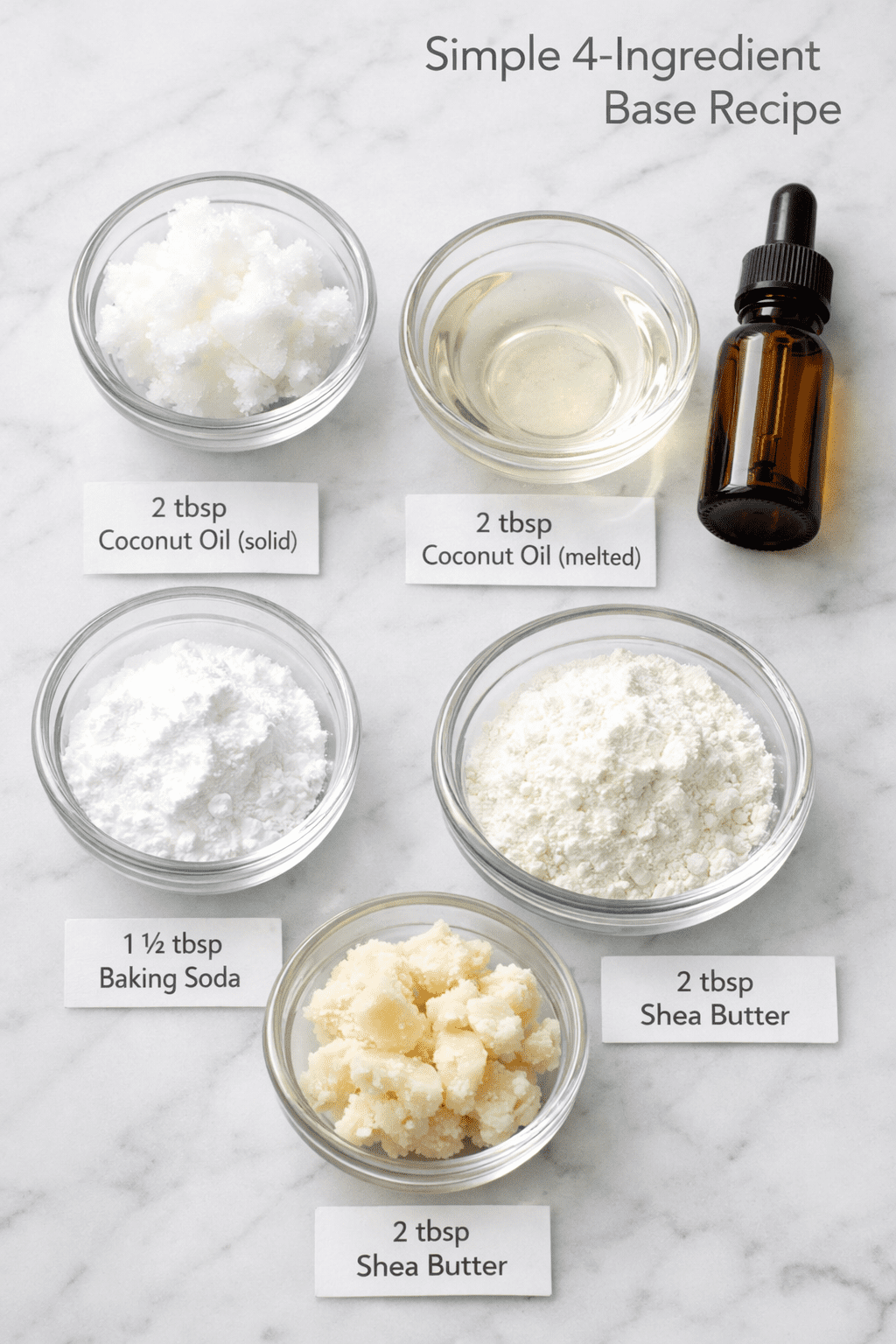
The basic natural homemade deodorant recipe requires just four core ingredients, each serving a specific purpose. Coconut oil acts as the base and provides antibacterial properties, while baking soda or arrowroot powder absorbs moisture and neutralizes odor.
Core ingredients:
- Coconut oil (3 tablespoons): Antibacterial, antifungal, creates smooth texture
- Baking soda (3 tablespoons): Neutralizes odor-causing bacteria, pH balancing
- Arrowroot powder or cornstarch (2 tablespoons): Absorbs moisture, reduces irritation
- Essential oils (5-10 drops): Natural fragrance and antimicrobial properties
Optional add-ins for customization:
- Shea butter or cocoa butter (1 tablespoon): Extra moisturizing, firmer consistency
- Beeswax (1 teaspoon): Creates stick form, prevents melting in warm weather
- Vitamin E oil (1/4 teaspoon): Skin nourishment, extends shelf life
- Activated charcoal (1/2 teaspoon): Enhanced detoxification, extra odor control
- Diatomaceous earth (substitute for baking soda): Gentle alternative for sensitive skin
The most common mistake is using too much baking soda, which can cause redness and irritation. Start with equal parts coconut oil and powder base, then adjust based on your skin’s response. If you experience any burning or rash, switch to a baking soda-free formula using only arrowroot powder and diatomaceous earth [3].
Best essential oils for deodorant:
- Lavender: Calming, antibacterial, universally pleasant
- Tea tree: Strong antimicrobial, good for active lifestyles
- Lemon or citrus: Fresh scent, natural deodorizer
- Peppermint: Cooling sensation, energizing
- Frankincense: Earthy, skin-soothing properties
You can find these ingredients at grocery stores, health food shops, or online. Total cost for your first batch runs about $15-20 if buying everything new, but these supplies will make 10-15 batches.
How Do You Make a Natural Homemade Deodorant Recipe Step-by-Step?
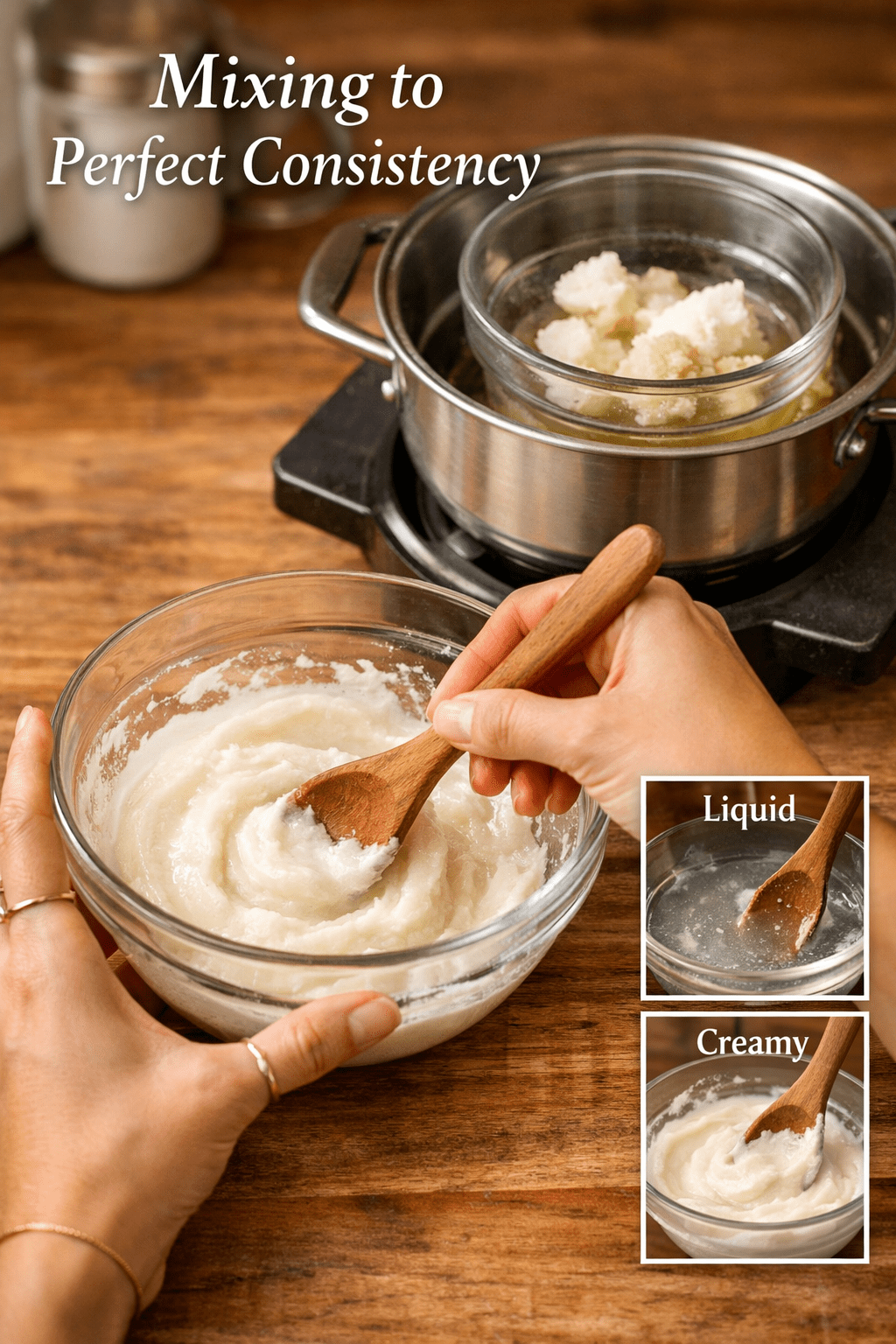
Making natural deodorant takes about 10 minutes and requires no special equipment. The process involves melting the oils, mixing in the powders, adding essential oils, and letting the mixture solidify in your chosen container.
Step-by-step instructions:
- Melt the coconut oil: Place 3 tablespoons coconut oil in a small bowl. If it’s already liquid (above 76°F), skip this step. Otherwise, microwave for 15-20 seconds or use a double boiler.
- Add shea butter (optional): If using, melt 1 tablespoon shea butter with the coconut oil for a creamier texture and firmer consistency.
- Mix in the powders: Add 3 tablespoons baking soda and 2 tablespoons arrowroot powder to the melted oil. Stir thoroughly with a fork or small whisk until completely smooth with no lumps.
- Add essential oils: Drop in 5-10 drops of your chosen essential oil blend. Start with fewer drops and increase if you want a stronger scent. Mix well.
- Pour into container: Transfer the mixture to a small glass jar, empty deodorant tube, or small tin. A 4-ounce mason jar works perfectly.
- Let it set: Leave the container at room temperature for 2-3 hours until fully solidified. Don’t refrigerate—this can make it too hard to apply.
- Store properly: Keep in a cool, dry place away from direct sunlight. The deodorant will last 2-3 months.
Texture troubleshooting:
- Too soft or melting: Add more arrowroot powder (1 teaspoon at a time) or 1/2 teaspoon beeswax
- Too hard or crumbly: Add more coconut oil (1 teaspoon at a time) and remix
- Grainy texture: This happens when coconut oil solidifies too quickly; gently remelt and let cool more slowly
The mixture should have a creamy, slightly firm consistency similar to thick body butter. In summer months above 76°F, it may soften considerably—this is normal for coconut oil-based products.
For stick form, add 1 teaspoon melted beeswax to the recipe and pour into empty deodorant tubes before it sets. This creates a firmer product that won’t melt as easily in warm weather [1].
What Are the Best Natural Homemade Deodorant Recipe Variations?
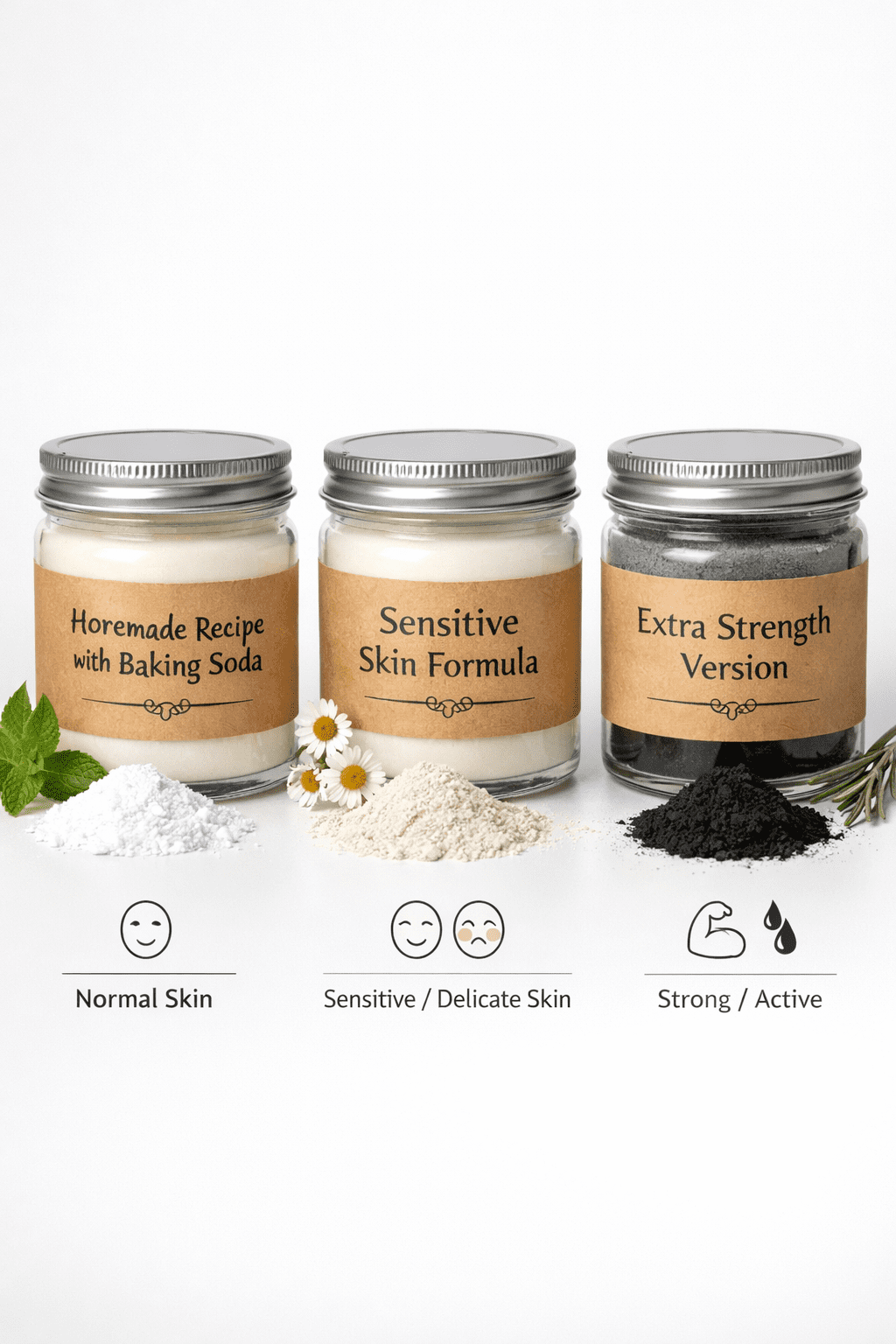
Not everyone’s skin responds the same way to the basic recipe. These three variations address different needs: sensitive skin, extra strength for active lifestyles, and a completely baking soda-free option.
Sensitive Skin Formula (Baking Soda-Free)
This gentle version eliminates baking soda entirely, which is the most common irritant in homemade deodorants [2].
Ingredients:
- 3 tablespoons coconut oil
- 3 tablespoons arrowroot powder
- 1 tablespoon diatomaceous earth (food-grade)
- 1 tablespoon shea butter
- 8 drops lavender essential oil
Mix following the standard method. This formula is less alkaline and won’t cause the redness or rash that baking soda can trigger. It may not provide quite as strong odor protection, but it works well for most people with sensitive skin.
Extra Strength Formula (For Active Lifestyles)
If you exercise regularly or need maximum odor protection, this enhanced version includes activated charcoal and more essential oils.
Ingredients:
- 3 tablespoons coconut oil
- 2 tablespoons baking soda
- 2 tablespoons arrowroot powder
- 1/2 teaspoon activated charcoal powder
- 1 tablespoon shea butter
- 10 drops tea tree oil
- 5 drops peppermint oil
The activated charcoal provides extra detoxification and odor absorption. Note that this will create a gray-colored deodorant that may leave slight marks on white clothing—apply sparingly and let it absorb before dressing.
Magnesium-Boosted Formula
Some people prefer magnesium hydroxide as an alternative to baking soda. It’s less irritating but still provides excellent odor control.
Ingredients:
- 3 tablespoons coconut oil
- 2 tablespoons arrowroot powder
- 1 tablespoon magnesium hydroxide powder
- 1 tablespoon cocoa butter
- 8 drops frankincense essential oil
This formula has a slightly creamier texture and won’t cause the pH imbalance that sometimes triggers irritation.
Comparison of formulas:
| Formula Type | Odor Control | Skin Gentleness | Best For |
|---|---|---|---|
| Basic Recipe | Strong | Moderate | Most people, testing compatibility |
| Sensitive Skin | Moderate | Very High | Reactive skin, rash-prone users |
| Extra Strength | Very Strong | Low-Moderate | Athletes, high activity levels |
| Magnesium-Boosted | Strong | High | Baking soda sensitivity, daily use |
Choose your formula based on your activity level and skin sensitivity. You can always start with the sensitive skin version and gradually work up to stronger formulas if needed.
Similar to how you might customize DIY face masks for different skin types, deodorant recipes can be tailored to your specific needs.
How Do You Apply and Store Your Natural Homemade Deodorant Recipe?
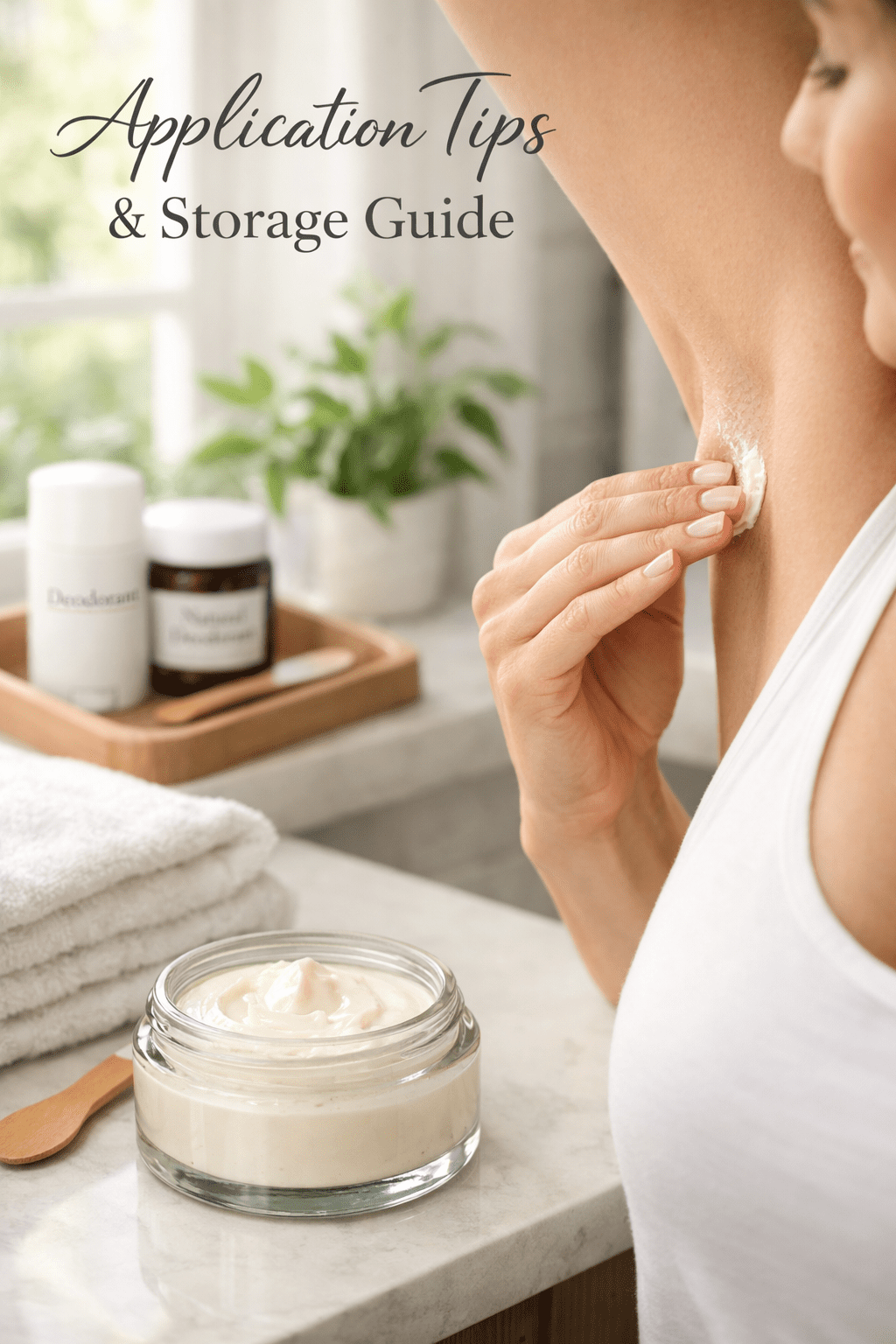
Proper application and storage determine how well your natural deodorant works and how long it lasts. The application method differs from commercial deodorants because of the oil-based texture.
Application instructions:
- Use clean, dry skin: Apply after showering or washing your underarms. Pat the area completely dry.
- Warm it slightly: Scoop a pea-sized amount with your finger or a small spatula. The warmth of your finger will soften it for easy application.
- Apply sparingly: Rub the deodorant gently into your underarm skin until absorbed. You need much less than commercial deodorants—a little goes a long way.
- Let it absorb: Wait 1-2 minutes before dressing to prevent transfer to clothing.
- Reapply if needed: Most people find once daily is enough, but you can reapply after workouts or in the evening if desired.
Storage guidelines:
- Temperature: Store at room temperature (65-75°F) in a cool, dry place
- Container: Glass jars work best; avoid plastic as coconut oil can degrade some plastics over time
- Shelf life: 2-3 months at room temperature; add vitamin E oil to extend to 4-5 months
- Avoid: Direct sunlight, bathroom humidity, temperatures above 76°F (coconut oil’s melting point)
In hot weather, your deodorant may liquify. This doesn’t affect its effectiveness—just stir it before use or refrigerate for 10 minutes to firm it up before applying.
Common application mistakes:
- Using too much (causes white residue on clothing)
- Applying to wet skin (reduces effectiveness)
- Not washing hands after application (can transfer oil to other surfaces)
- Storing in the shower (humidity and heat reduce shelf life)
For travel, transfer a small amount to a 1-ounce tin or use stick form with beeswax. The TSA allows solid deodorants in any size in carry-on luggage.
Just as you would with other natural skincare products, keep your deodorant away from moisture and extreme temperatures for best results.
What Is the Adjustment Period for Natural Homemade Deodorant?
Switching to a natural homemade deodorant recipe requires a transition period of 1-4 weeks as your body adjusts from commercial products. During this time, you may experience increased sweating, stronger odor, or temporary skin sensitivity—all normal responses as your body detoxifies.
What to expect during the transition:
Week 1: Increased sweating and odor as your sweat glands regulate. Commercial antiperspirants block sweat ducts with aluminum compounds, and your body needs time to clear these and return to normal function.
Week 2: Odor may peak as bacteria balance shifts. Your underarm microbiome is adjusting from synthetic antimicrobials to natural alternatives.
Week 3-4: Sweating and odor normalize. Most people find their natural deodorant works just as well as commercial options by this point.
Tips to ease the transition:
- Start on a weekend: Begin when you have a few days at home to adjust
- Detox your underarms: Exfoliate gently with a washcloth and apply an armpit detox mask (bentonite clay + water) once before starting
- Wear natural fabrics: Cotton and linen allow better airflow than synthetics during adjustment
- Reapply as needed: Don’t hesitate to apply 2-3 times daily during the first week
- Stay hydrated: Drinking more water helps flush toxins faster
- Be patient: Everyone’s adjustment timeline differs based on how long you used commercial products
If you experience a rash or burning sensation, this indicates sensitivity to baking soda rather than a normal transition symptom. Switch immediately to the sensitive skin formula.
Some people never experience a difficult transition and notice immediate effectiveness. Others need the full month. The adjustment period is longer if you’ve used clinical-strength antiperspirants for many years.
Edge case: If you still experience excessive odor after 4 weeks, you may need to adjust your formula. Try increasing essential oils, adding activated charcoal, or switching to the extra-strength version. Very rarely, some people’s body chemistry doesn’t respond well to natural deodorants—this affects less than 5% of users based on anecdotal reports.
How Does Natural Deodorant Compare to Antiperspirant?
Natural deodorant and antiperspirant work completely differently, which is why understanding the distinction helps set realistic expectations. Deodorant neutralizes odor-causing bacteria and masks smell, while antiperspirant actively blocks sweat production.
Key differences:
Natural deodorant:
- Allows natural sweating
- Neutralizes odor through antibacterial ingredients
- Uses natural fragrances to mask smell
- Doesn’t contain aluminum or synthetic chemicals
- Requires skin microbiome adjustment
Antiperspirant:
- Blocks sweat glands with aluminum compounds
- Prevents wetness and odor by stopping sweat
- Often contains synthetic fragrances and preservatives
- Works immediately without adjustment period
- May cause skin irritation or staining on clothing
You will still sweat with natural deodorant—this is healthy and normal. Sweating regulates body temperature and releases toxins. Natural deodorant keeps you smelling fresh without interfering with this natural process.
Choose natural deodorant if:
- You want to avoid aluminum and synthetic ingredients
- You have sensitive skin that reacts to commercial products
- You prefer sustainable, eco-friendly personal care
- You don’t mind a brief adjustment period
- You’re comfortable with natural sweating
Stick with antiperspirant if:
- You need clinical-strength sweat protection for medical reasons (hyperhidrosis)
- You can’t tolerate any visible sweat or wetness
- You’re unwilling to go through a transition period
- You haven’t experienced any negative reactions to commercial products
Many people successfully use natural deodorant daily and only switch to antiperspirant for special occasions like job interviews or important presentations. This hybrid approach gives you the benefits of natural products while maintaining options for high-stress situations.
The effectiveness of your natural homemade deodorant recipe depends on your body chemistry, activity level, and diet. High-protein diets, stress, and hormonal changes can all affect body odor regardless of what deodorant you use.
Troubleshooting Common Natural Deodorant Problems
Even with the perfect recipe, you might encounter issues as you use your natural homemade deodorant. Here’s how to solve the most common problems.
Problem: Skin irritation or rash
Solution: Baking soda is almost always the culprit. Switch to the sensitive skin formula using only arrowroot powder and diatomaceous earth. If irritation continues, reduce or eliminate essential oils—some people react to concentrated plant oils. Give your skin 3-4 days to heal before trying a new formula.
Problem: Deodorant is too soft or melts easily
Solution: Add 1 teaspoon of arrowroot powder or 1/2 teaspoon of beeswax to firm it up. Store in a cooler location. In hot climates above 80°F, refrigerate your deodorant for 10 minutes before application, or switch to stick form with added beeswax.
Problem: Deodorant is too hard or difficult to apply
Solution: Add 1 teaspoon of coconut oil and gently remelt the mixture. Let it cool and solidify again. You can also warm the jar briefly in your hands before scooping out product.
Problem: White residue on clothing
Solution: You’re using too much. A pea-sized amount is sufficient. Let the deodorant absorb for 2 minutes before dressing. If marks still appear, reduce the amount of arrowroot powder in your recipe by 1 tablespoon.
Problem: Grainy or gritty texture
Solution: This happens when coconut oil solidifies too quickly. Gently remelt the entire batch and let it cool more slowly at room temperature. Stir occasionally as it cools to keep ingredients evenly distributed.
Problem: Still experiencing odor after the adjustment period
Solution: Increase essential oils to 12-15 drops, focusing on antimicrobial options like tea tree or eucalyptus. Add 1/2 teaspoon activated charcoal. Make sure you’re applying to completely clean, dry skin. Consider dietary factors—garlic, onions, and red meat can intensify body odor.
Problem: Staining on clothing
Solution: Activated charcoal and some essential oils can stain. Apply sparingly and let absorb fully. Wear an undershirt with dress clothes. Wash stained items with oxygen bleach.
If you’ve tried multiple formulas and still can’t find one that works, you may be among the small percentage of people whose body chemistry doesn’t respond well to natural deodorants. This is rare but does happen. You can also explore other natural remedies that might better suit your needs.
FAQ
How long does homemade natural deodorant last?
A batch lasts 2-3 months when stored properly in a cool, dry place. Adding vitamin E oil can extend shelf life to 4-5 months. The recipe makes enough for about 2-3 months of daily use for one person.
Can I use this deodorant while pregnant or breastfeeding?
Yes, natural deodorant is generally safe during pregnancy and breastfeeding. Avoid essential oils if you have concerns—the base recipe of coconut oil, baking soda, and arrowroot powder is completely safe. Consult your healthcare provider if you have specific worries.
Will natural deodorant stain my clothes?
The basic recipe shouldn’t stain, but activated charcoal versions can leave gray marks. Apply sparingly and let it absorb before dressing. Coconut oil may leave slight oil marks if you use too much—reduce the amount applied.
How much does it cost to make natural deodorant?
About $0.50 per batch once you have the ingredients on hand. Initial investment is $15-20 for all supplies, which will make 10-15 batches. This compares to $8-15 for a single container of store-bought natural deodorant.
Can kids use homemade natural deodorant?
Yes, but use the sensitive skin formula without baking soda for children under 12. Their skin is more delicate and prone to irritation. Reduce essential oils to 3-5 drops or omit entirely for young children.
Why am I sweating more with natural deodorant?
Natural deodorant doesn’t block sweat like antiperspirant does—it only neutralizes odor. Increased sweating during the first 1-2 weeks is also part of the adjustment period as your body detoxifies from aluminum compounds. This normalizes after the transition.
Can I make this without coconut oil?
Yes, substitute shea butter or cocoa butter for coconut oil. The texture will be firmer and may require more effort to apply, but it works just as well. This option is good for those with coconut allergies.
What’s the best container for storing homemade deodorant?
Small glass jars (4-ounce mason jars) work best because they don’t react with coconut oil and are easy to clean and reuse. Empty deodorant tubes work if you add beeswax for firmness. Avoid most plastics as coconut oil can degrade them over time.
How do I know if my deodorant has gone bad?
Signs include rancid or off smell, mold growth, or separation that doesn’t remix when stirred. Properly stored deodorant rarely goes bad within 2-3 months. Discard if you notice any of these signs.
Can I use this deodorant on other body parts?
Yes, you can use it on feet or anywhere you experience odor. The antibacterial properties of coconut oil and essential oils work on any skin surface. Just ensure the area is clean and dry before application.
Does natural deodorant work for everyone?
About 90-95% of people find natural deodorant effective after the adjustment period. A small percentage have body chemistry that doesn’t respond well to natural formulas, often due to hormonal factors or specific bacteria strains. If you’ve tried multiple formulas for 6+ weeks without success, natural deodorant may not work for you.
Can I add fragrance oils instead of essential oils?
Avoid synthetic fragrance oils—they defeat the purpose of making natural deodorant. Stick with pure essential oils or skip scent entirely. Fragrance oils often contain phthalates and other chemicals you’re trying to avoid.
Conclusion
Making your own natural homemade deodorant recipe gives you effective, affordable odor protection without synthetic chemicals or aluminum compounds. The basic four-ingredient formula—coconut oil, baking soda, arrowroot powder, and essential oils—takes just 10 minutes to prepare and costs less than $1 per batch.
Start with the basic recipe if you have normal skin sensitivity, or choose the baking soda-free version if you’re prone to irritation. Give yourself 1-4 weeks to adjust as your body transitions from commercial products, and don’t be discouraged by temporary increased sweating or odor during this period.
Your next steps:
- Gather your ingredients and choose which formula matches your needs
- Make your first batch following the step-by-step instructions
- Apply daily to clean, dry skin and track your experience
- Adjust the recipe based on your results—add more powder for firmness, more oil for softness, or switch formulas if you experience irritation
- Give yourself the full adjustment period before deciding if natural deodorant works for you
Remember that natural deodorant neutralizes odor but doesn’t stop sweating—this is healthy and normal. You’re supporting your body’s natural detoxification process while avoiding questionable ingredients.
If you enjoy making your own personal care products, explore other DIY skincare recipes to continue your natural wellness journey. The same principles of simple, natural ingredients apply across all homemade products.
Start your batch today and experience the satisfaction of knowing exactly what you’re putting on your skin every day.
References
[1] Homemade Deodorant – https://simplegreensmoothies.com/homemade-deodorant/
[2] Diy Natural Deodorant That Actually Works – https://www.thehealthymaven.com/diy-natural-deodorant-that-actually-works/
[3] Homemade Diy Deodorant Recipe – https://scratchmommy.com/homemade-diy-deodorant-recipe/
[4] Effective Easy Homemade Deodorant – https://pronounceskincare.com/effective-easy-homemade-deodorant/