

Quick Answer: You can make home made antibiotics using natural kitchen ingredients like garlic, raw honey, turmeric, ginger, and oregano oil. These ingredients contain bioactive compounds with documented antimicrobial properties. They work best as supportive remedies for minor issues — not as replacements for prescription antibiotics when you have a serious infection.
Key Takeaways
- Garlic is one of the most researched natural antimicrobials; its active compound allicin shows activity against MRSA and other drug-resistant bacteria [1]
- Raw honey (especially Manuka) creates an inhospitable environment for bacteria through hydrogen peroxide production and low pH
- Turmeric’s curcumin has demonstrated biofilm-reducing effects against Staphylococcus, Streptococcus, and Enterococcus in multiple studies [1]
- Oregano oil containing carvacrol may be effective against Streptococcus mutans linked to dental infections [2]
- Natural remedies work best for minor, surface-level issues — always see a doctor for serious or worsening infections
- The Cleveland Clinic explicitly warns against self-treating infections without professional guidance [7]
- These kitchen remedies are most valuable as preventive support and complementary care, not standalone treatments
- Proper preparation, storage, and dosage matter — poorly made preparations lose potency quickly
What Are Natural Antibiotics and How Do They Actually Work?
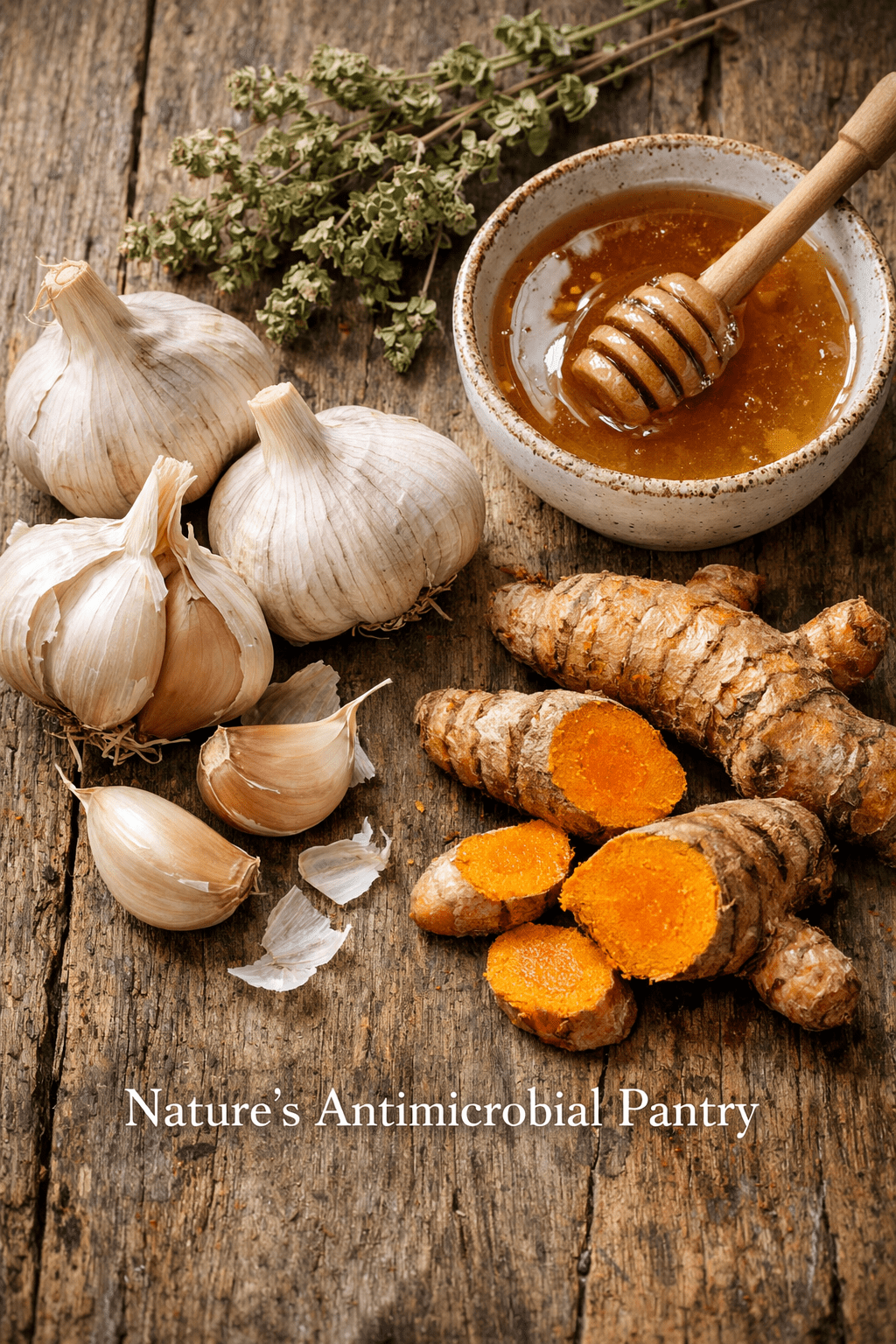
Natural antibiotics are plant-derived compounds that can slow or stop the growth of bacteria, fungi, or viruses. They work through several different mechanisms — disrupting bacterial cell walls, interfering with quorum-sensing (how bacteria “communicate”), reducing biofilm formation, and generating reactive oxygen species that damage bacterial cells [5].
Unlike pharmaceutical antibiotics, which target one specific bacterial pathway, many plant phytochemicals hit multiple targets at once. Medicinal plants contain alkaloids, flavonoids, essential oils, tannins, and coumarins — all of which can show bactericidal or bacteriostatic effects [5]. This multi-target approach is one reason researchers are studying them as potential helpers in fighting antibiotic-resistant bacteria.
Important distinction: “Natural” doesn’t mean risk-free or universally effective. These compounds have real effects on your body, which means they also carry real risks if misused.
Which Kitchen Ingredients Have the Strongest Antimicrobial Properties?
The best-supported natural antimicrobials are ingredients you likely already have at home. Here’s a breakdown of the top five, based on current research:
| Ingredient | Key Active Compound | Primary Research Finding |
|---|---|---|
| Garlic | Allicin (organosulfur) | Activity against MRSA and VRE confirmed in a 2021 major review [1] |
| Raw Honey | Hydrogen peroxide, methylglyoxal | Creates low-pH, osmotic environment hostile to bacteria |
| Turmeric | Curcumin | Reduces biofilm in Staphylococcus, Streptococcus, Enterococcus (2021–2023 studies) [1] |
| Oregano Oil | Carvacrol | Potential antibacterial effect against S. mutans (2023 study) [2] |
| Ginger | Gingerols, shogaols | Broad antimicrobial and anti-inflammatory properties [3] |
Choose garlic if you’re looking for the most research-backed option for general antimicrobial support. Choose honey for topical wound care or soothing sore throats. Choose turmeric if you’re dealing with inflammation alongside a minor infection.
How to Make Home Made Antibiotics: 4 Simple Recipes
These recipes use ingredients from your kitchen and require no special equipment. Each one takes 10–30 minutes to prepare.
Recipe 1: Garlic-Honey Infusion (Most Versatile)
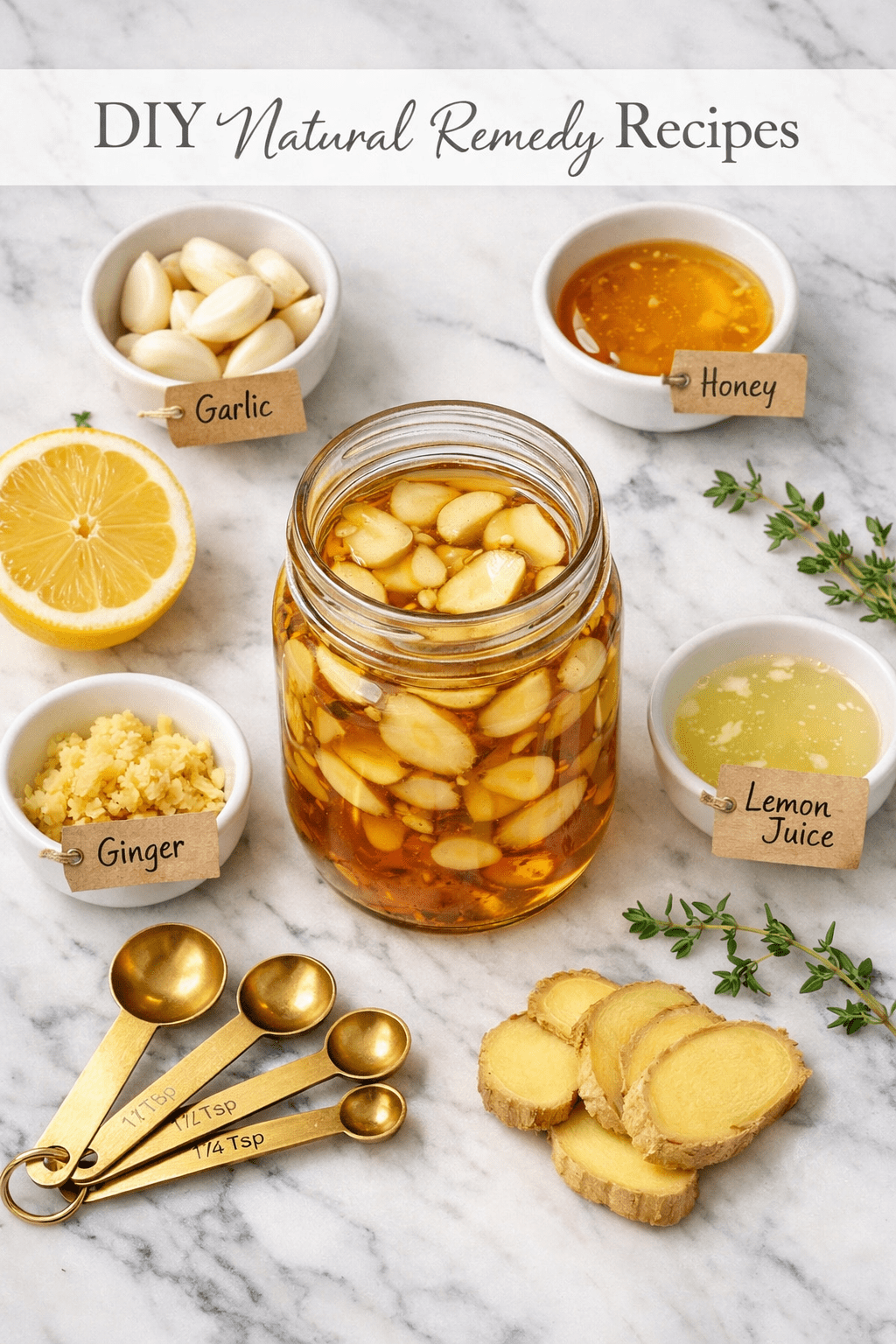
This is the foundational recipe for anyone learning how to make home made antibiotics. Allicin — garlic’s active antimicrobial compound — is released when garlic is crushed or chopped, and raw honey helps preserve and deliver it.
What you need:
- 1 whole garlic bulb (10–12 cloves), peeled and crushed
- 1 cup raw, unfiltered honey (Manuka preferred)
- 1 clean glass jar with a lid
Steps:
- Crush or finely mince all garlic cloves — this activates allicin production
- Let the crushed garlic sit for 10 minutes before adding honey (this step matters; it locks in the allicin)
- Combine garlic and honey in the jar, stir well
- Seal and store in a cool, dark place for 3–7 days, shaking daily
- Strain out garlic pieces if preferred, or leave them in for full potency
Use: 1 teaspoon up to three times daily at the first sign of a cold or minor infection. You can also find a related warming recipe in this homemade honey lemon ginger cough drops guide.
Recipe 2: Turmeric-Ginger Anti-Inflammatory Tonic
Curcumin from turmeric and gingerols from ginger work together to fight bacteria and reduce inflammation. Scientists in 2026 are specifically studying how curcumin can enhance the effectiveness of existing antibiotics in laboratory settings [1].
What you need:
- 1 tsp turmeric powder (or 1-inch fresh root, grated)
- 1-inch fresh ginger, grated
- 1 cup warm water or coconut milk
- Pinch of black pepper (increases curcumin absorption by up to 20x)
- 1 tsp raw honey
Steps:
- Combine turmeric and ginger in a mug
- Add warm (not boiling) water or coconut milk
- Stir in black pepper and honey
- Drink once or twice daily
For more ways to use these two powerhouse ingredients, check out these DIY ginger and turmeric shots for morning energy.
Recipe 3: Oregano Oil Throat Spray
Oregano oil is one of the more potent options when learning how to make home made antibiotics for oral or throat use. Its carvacrol content has shown antibacterial activity against oral bacteria in research settings [2].
What you need:
- 2–3 drops food-grade oregano essential oil
- 2 tbsp raw honey
- 1/4 cup warm water
- Small spray bottle
Steps:
- Mix honey into warm water until dissolved
- Add oregano oil drops and stir well
- Pour into spray bottle
- Shake before each use; spray 2–3 times to the back of the throat
⚠️ Common mistake: Using too much oregano oil. More is not better here — high concentrations can irritate mucous membranes. Stick to 2–3 drops maximum per serving.
Recipe 4: Echinacea Herbal Tea Blend
A 2022 article noted that echinacea has antibacterial effects on respiratory bacteria and may help reduce unnecessary antibiotic use for upper respiratory infections [2]. Pairing it with other herbs amplifies the effect.
What you need:
- 1 tsp dried echinacea root or leaves
- 1/2 tsp dried thyme
- 1 tsp raw honey
- 1 cup boiling water
Steps:
- Steep echinacea and thyme in boiling water for 10–15 minutes
- Strain, add honey, and drink warm
- Use up to three times daily during illness onset
For more ideas on blending herbs at home, this guide on how to make your own herbal tea blends is a great next step.
How to Store Your Homemade Natural Remedies Safely
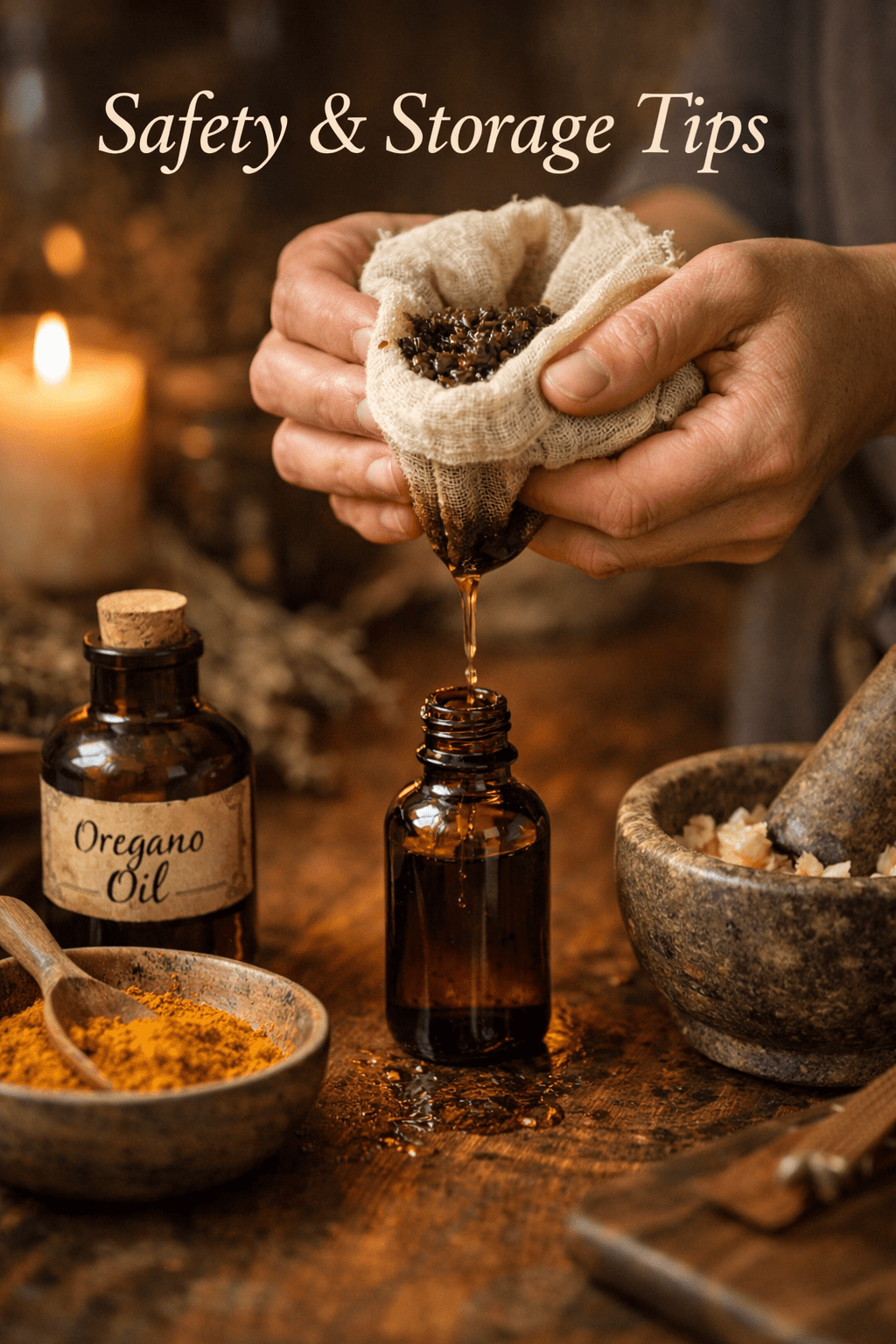
Proper storage is what separates an effective preparation from a wasted batch.
- Garlic-honey infusion: Refrigerate after 7 days; use within 2 months
- Turmeric-ginger tonic: Make fresh daily or store in the fridge for up to 3 days
- Oregano oil spray: Store at room temperature, away from light; use within 2 weeks
- Echinacea tea: Brew fresh each time; don’t store brewed tea longer than 24 hours
Always use clean, sterilized glass jars. Plastic containers can leach chemicals and degrade essential oil preparations. Label each jar with the date you made it.
What Are the Safety Risks and When Should You See a Doctor?
This is the most important section in this guide. The Cleveland Clinic explicitly cautions against self-treating infections with natural remedies without professional guidance — because even natural compounds have side effects [7].
Stop using natural remedies and see a doctor if:
- Symptoms worsen after 48–72 hours
- You develop a fever above 103°F (39.4°C)
- You see spreading redness, swelling, or red streaks near a wound
- You have a chronic condition like diabetes or an autoimmune disorder
- You are pregnant or breastfeeding
Known risks to watch for:
- Garlic in high doses can thin blood — avoid before surgery
- Oregano oil can interact with blood-thinning medications
- Turmeric in large amounts may affect iron absorption
- Raw honey should never be given to children under 12 months (botulism risk)
“Natural antibiotics can support your health, but they are not a substitute for medical care when a real infection takes hold.” — Cleveland Clinic [7]
For a broader introduction to working safely with natural remedies, the Natural Remedies for Beginners complete guide is worth bookmarking. You can also review our full medical disclaimer before starting any home remedy routine.
Can Natural Ingredients Help With Antibiotic Resistance?
Researchers are genuinely excited about this question. Scientists in 2026 are studying how curcumin from turmeric and catechins from green tea can enhance the effectiveness of existing antibiotics in laboratory settings — potentially helping restore sensitivity in antibiotic-resistant bacteria [1].
A separate line of research found that curcumin and emodin from rhubarb were among the most effective natural compounds tested against multidrug-resistant bacteria in wastewater treatment applications [4]. Plant-derived chemicals can also fight bacteria through biofilm suppression — breaking down the protective shield bacteria build around themselves to resist immune responses [5].
The bottom line: Natural compounds aren’t replacing antibiotics. But they may become important partners in a world where antibiotic resistance is a growing concern. For now, using them as preventive support and complementary care is the most evidence-aligned approach.
If you’re looking for related natural respiratory support, these 10 natural remedies for cough that actually work and natural remedies for sinus headache are solid companion reads.
Frequently Asked Questions
Q: Can I use these recipes instead of prescription antibiotics?
No. Natural antimicrobial preparations are not a replacement for prescription antibiotics when you have a confirmed bacterial infection. Use them for minor, early-stage issues or as preventive support alongside medical care.
Q: How long does it take for natural remedies to work?
Most people notice supportive effects within 24–72 hours for minor issues like a scratchy throat or early cold symptoms. If you don’t see improvement in 48–72 hours, consult a doctor.
Q: Is raw honey better than regular honey for these recipes?
Yes. Raw, unfiltered honey retains its natural antimicrobial compounds — including hydrogen peroxide-producing enzymes — that are destroyed by commercial pasteurization. Manuka honey has the strongest documented antimicrobial profile.
Q: Can I give garlic-honey infusion to my kids?
Avoid raw honey for children under 12 months due to botulism risk. For older children, consult a pediatrician before using any concentrated natural remedy.
Q: Does cooking garlic destroy allicin?
Yes, high heat destroys allicin. For antimicrobial purposes, use raw, crushed garlic and let it sit for 10 minutes before adding to any preparation.
Q: How do I know if my oregano oil is food-grade?
Look for “food-grade” or “GRAS” (Generally Recognized as Safe) on the label. Not all essential oils are safe for internal use — only purchase from reputable suppliers who specify food-safe use.
Q: Can I combine all these ingredients into one preparation?
You can, but start with one ingredient at a time so you can identify any reactions. Combining garlic, turmeric, ginger, and honey in a tonic is generally safe for healthy adults.
Q: Are there any medications these natural remedies can interfere with?
Yes. Garlic and oregano oil can interact with blood thinners like warfarin. Turmeric may affect iron absorption. Always check with your pharmacist or doctor if you take regular medications.
Conclusion
Learning how to make home made antibiotics from kitchen ingredients is genuinely useful — and the science behind ingredients like garlic, raw honey, turmeric, and oregano oil is more solid than many people realize. These aren’t folk tales; they’re compounds that researchers are actively studying for real-world antimicrobial applications.
Your actionable next steps:
- Start with the garlic-honey infusion — it’s the easiest to make and the most broadly researched
- Keep turmeric and ginger on hand for daily tonic use during cold and flu season
- Build a small natural remedy kit: raw honey, garlic, turmeric, oregano oil, and dried echinacea
- Learn your limits — know the warning signs that mean it’s time to see a doctor
- Use these recipes as supportive care, not a substitute for professional medical advice
The goal isn’t to avoid the doctor. The goal is to support your body’s natural defenses with tools that have real science behind them — and to use them wisely.
References
[1] 2026 List Of Food And Drink Derived Natural Antibiotics – https://dulwichhealth.co.uk/blogs/blog/2026-list-of-food-and-drink-derived-natural-antibiotics
[2] Medical News Today – Natural Antibiotics – https://www.medicalnewstoday.com/articles/321108
[3] Natural Antibiotics – Healthline – https://www.healthline.com/health/natural-antibiotics
[4] Innovation News Network – Natural Compounds Against Antibiotic-Resistant Bacteria – https://www.innovationnewsnetwork.com/natural-compounds-could-help-fight-antibiotic-resistant-bacteria-lurking-in-wastewater/59689/
[5] PMC11405619 – Plant Phytochemicals and Antibiotic Resistance – https://pmc.ncbi.nlm.nih.gov/articles/PMC11405619/
[7] Cleveland Clinic – Natural Antibiotics – https://health.clevelandclinic.org/natural-antibiotics