
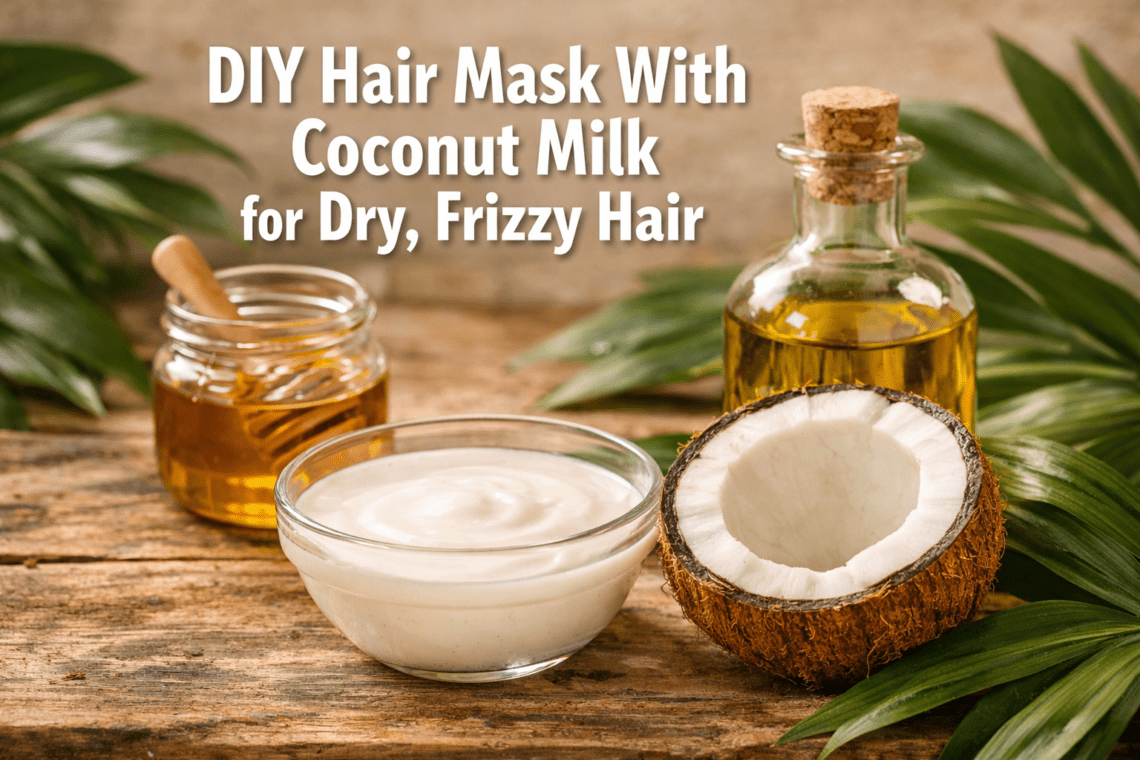
Quick Answer: A DIY hair mask with coconut milk, honey, and olive oil is one of the simplest and most effective ways to treat dry, frizzy hair at home. Mix ½ cup coconut milk, 1 tablespoon honey, and 1 tablespoon olive oil, apply from roots to ends, leave for 30–45 minutes, then rinse. Use once a week for noticeably softer, smoother hair.
Key Takeaways 🌿
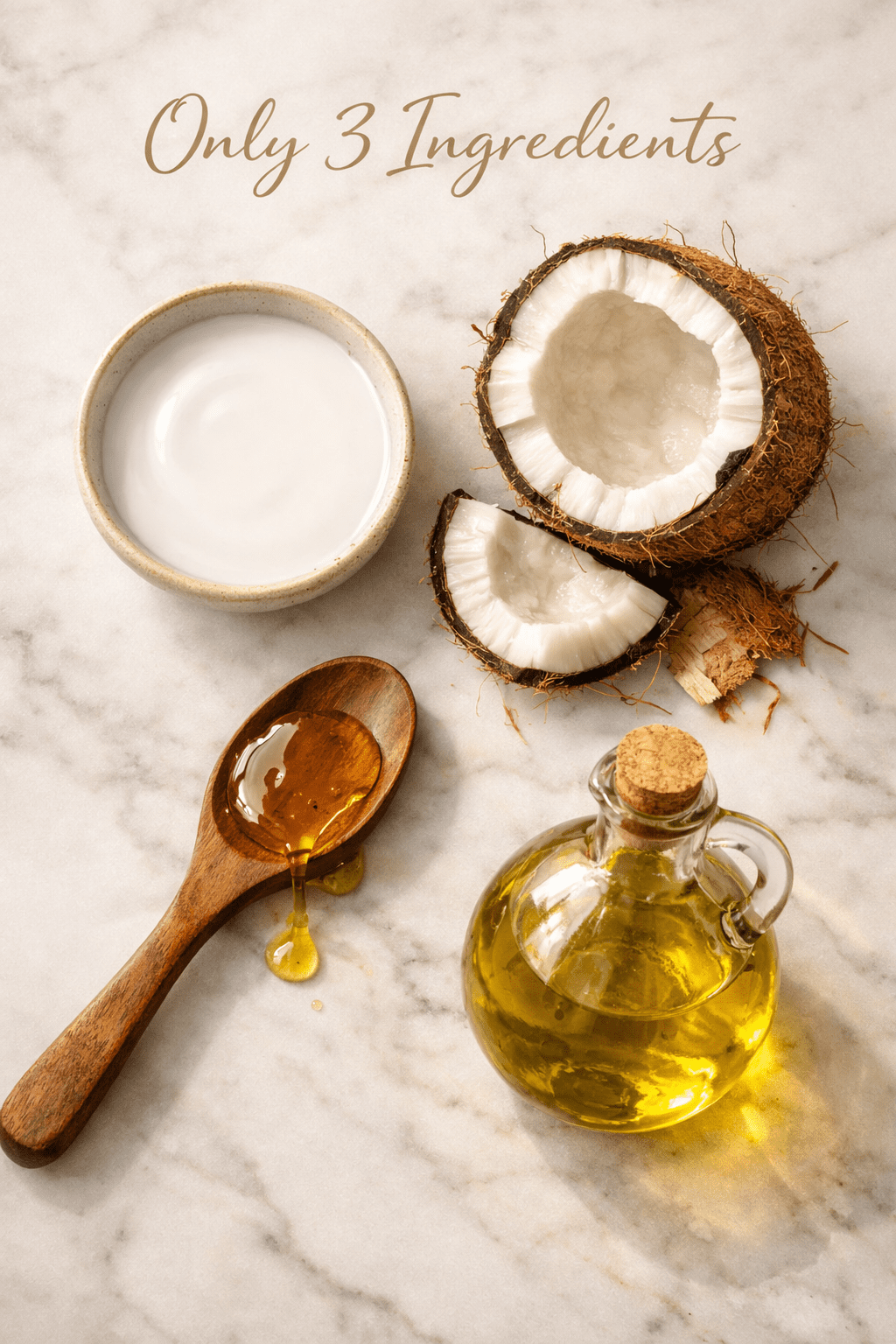
- Only 3 ingredients needed: coconut milk, honey, and olive oil (or aloe vera + argan oil as an alternative combo)
- Coconut milk contains lauric acid, vitamin E, and medium-chain fatty acids that penetrate the hair shaft and lock in moisture [1][5]
- Honey is a natural humectant — it draws moisture from the air into your hair strands [1]
- Olive oil seals that moisture in, reducing breakage in brittle or dry hair [1]
- Apply once per week for best results; avoid heat styling right after treatment [1]
- Works on all hair types, but is especially effective for dry, coarse, or curly hair [3]
- Fresh coconut milk delivers more nutrients than canned, though canned works fine in a pinch [7]
- This mask costs under $5 to make and takes about 5 minutes to prepare
Why Does Coconut Milk Work So Well on Dry, Frizzy Hair?
Coconut milk is a natural emollient packed with fatty acids that deeply penetrate each hair strand, locking in moisture and reducing frizz — regardless of hair texture or type [2][3]. It’s not just a surface treatment; the compounds actually get inside the hair shaft.
Here’s what makes it so effective:
- Lauric acid binds to hair proteins and reduces protein loss, which is a key cause of breakage [1]
- Vitamin E protects strands from oxidative damage [5][6]
- B-complex vitamins (B-1, B-3, B-5, B-6) keep hair strong and healthy [5][6]
- Minerals like manganese, copper, and zinc nourish hair follicles and support growth [3]
- Anti-fungal and antiseptic properties soothe an itchy or flaky scalp [3]
“Dry, unruly, and coarse hair benefits more from coconut milk than coconut oil alone — because hair needs both fatty acids and moisture, which oil by itself can’t fully provide.” [3]
Choose coconut milk if your hair is coarse, dry, or prone to frizz. If your hair is fine and gets weighed down easily, use less olive oil in the recipe.
The Best DIY Hair Mask With Coconut Milk: 2 Simple Recipes
Both recipes below use exactly 3 ingredients and take under 5 minutes to mix. Choose based on your main concern.
Recipe 1: For Dry and Damaged Hair (Honey + Olive Oil)
| Ingredient | Amount | Why It Works |
|---|---|---|
| Coconut milk | ½ cup | Deep moisture + protein protection |
| Raw honey | 1 tablespoon | Humectant — draws in moisture |
| Olive oil | 1 tablespoon | Seals moisture, prevents breakage |
Steps:
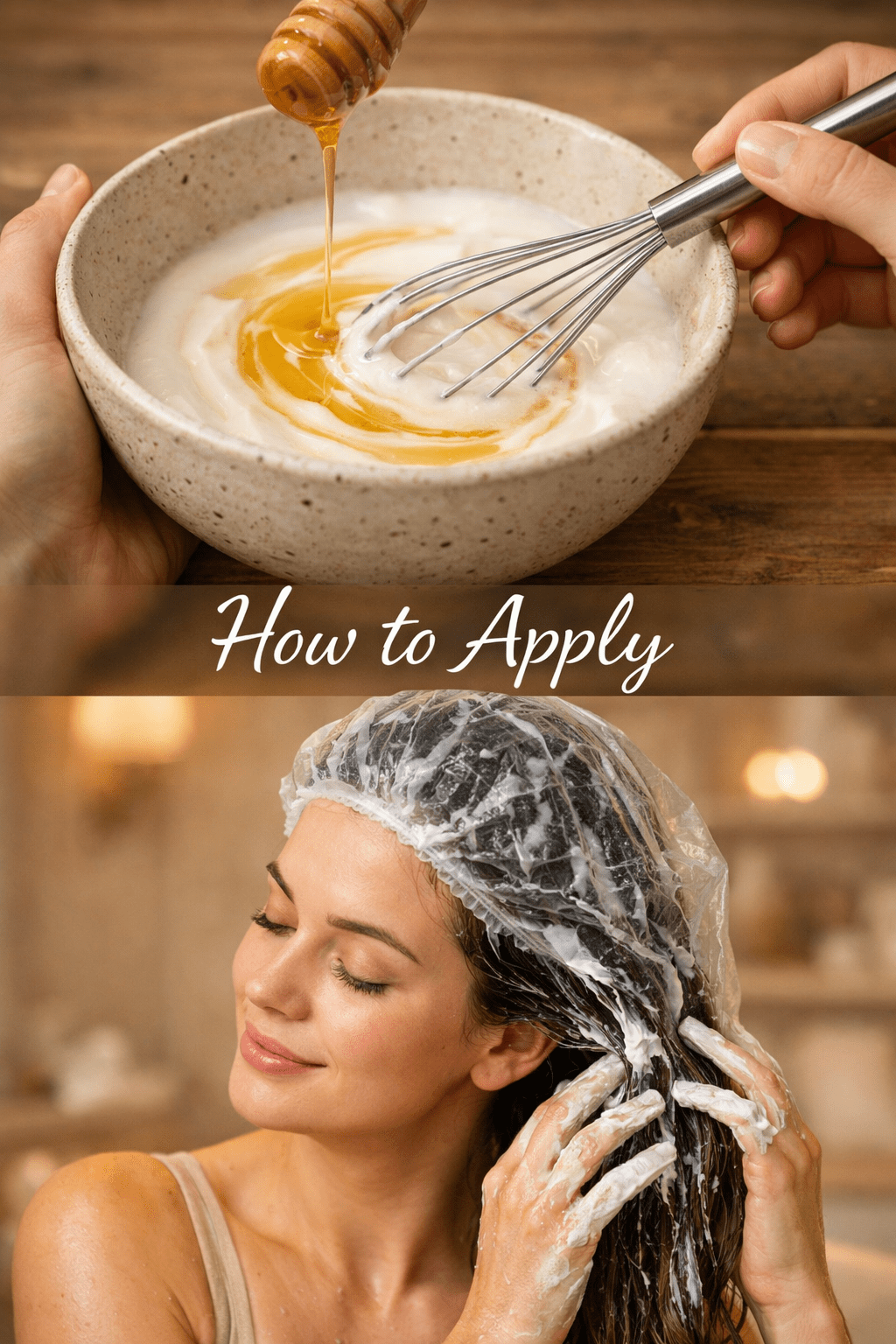
- Whisk all three ingredients together in a bowl until smooth.
- Apply to dry or damp hair, starting at the roots and working to the ends.
- Cover with a shower cap.
- Leave on for 30–45 minutes.
- Rinse thoroughly with lukewarm water, then shampoo gently. [1]
Recipe 2: For Frizz Control (Aloe Vera + Argan Oil)
| Ingredient | Amount | Why It Works |
|---|---|---|
| Coconut milk | ½ cup | Seals the hair cuticle, tames flyaways |
| Aloe vera gel | 2 tablespoons | Soothes scalp, adds shine |
| Argan or almond oil | A few drops | Smooths frizz, lightweight finish |
Steps:
- Mix ingredients until well combined.
- Apply to damp hair, focusing on the mid-lengths and ends.
- Leave on for 30 minutes.
- Rinse and follow with a light conditioner if needed. [1]
Common mistake: Applying to soaking wet hair dilutes the mask. Damp hair (towel-dried) absorbs the ingredients much better.
How Often Should You Use a Coconut Milk Hair Mask?
Once per week is the recommended frequency for most hair types, and you should skip heat styling on the same day as treatment [1]. Over-applying fatty masks can cause buildup on fine hair, so if your hair feels heavy or greasy after a few weeks, scale back to every 10–14 days.
Quick guide:
- Dry or coarse hair: Once a week
- Normal hair: Every 10–14 days
- Fine or oily hair: Once every 2–3 weeks, using less olive oil
Fresh vs. Canned Coconut Milk: Does It Matter?
Fresh coconut milk delivers more active nutrients and is the better choice when you have the time to make it [7]. Canned coconut milk is a perfectly good substitute for most people.
To make fresh coconut milk: Grate fresh coconut flesh, mix with an equal amount of warm water, blend, then strain through cheesecloth. Use immediately or refrigerate for up to 2 days [7].
Canned coconut milk tip: Choose full-fat, unsweetened coconut milk with no additives. Light versions have less fat content and won’t moisturize as effectively.
If you enjoy making natural remedies from scratch, check out this beginner’s guide to natural remedies for more kitchen-based recipes.
Tips, Mistakes to Avoid, and Troubleshooting
A few small adjustments make a big difference in how well this mask performs.
Tips that actually help:
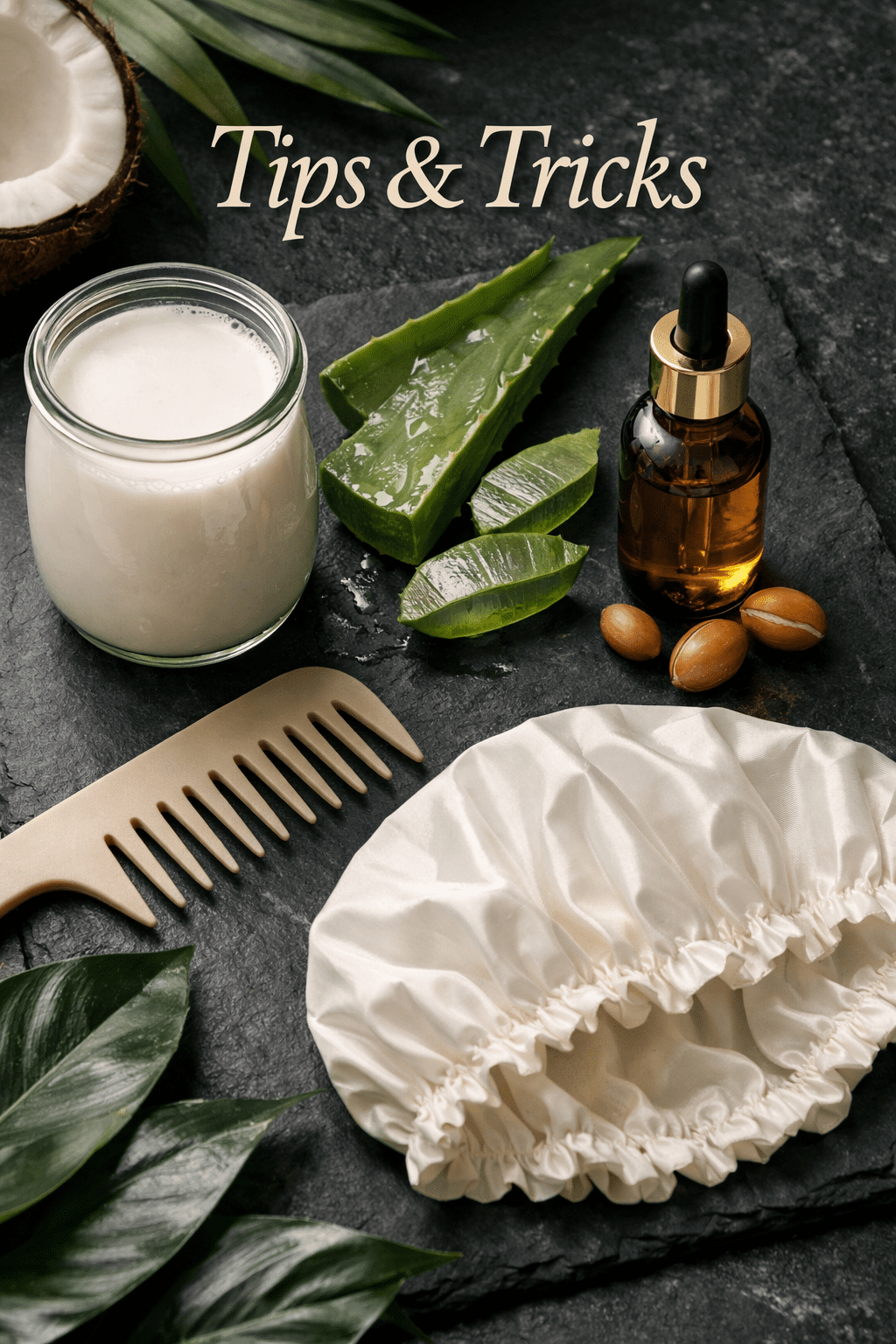
- Warm the coconut milk slightly (not hot) before mixing — it blends better and absorbs faster
- Use a wide-tooth comb to distribute the mask evenly through your hair
- Sit in a warm room or wrap your head in a warm towel over the shower cap to boost absorption
- For a scalp-focused treatment, massage the mask into your scalp for 2–3 minutes before covering
Mistakes to avoid:
- Skipping the rinse: Leaving oil residue behind makes hair look greasy. Rinse thoroughly, then shampoo once.
- Using sweetened coconut milk: The added sugar can cause buildup and may irritate the scalp.
- Applying to already oily roots: Focus the mask on your mid-lengths and ends if your scalp tends to get greasy.
Troubleshooting:
- Hair still feels dry after one use? Give it 3–4 weekly treatments before judging. Deep conditioning takes time.
- Hair feels heavy or limp? Cut the olive oil in half, or switch to a lighter oil like argan.
For scalp-specific concerns like buildup or flaking, our DIY scalp scrub guide for buildup and dandruff pairs well with this mask routine.
FAQ
Can I leave a coconut milk hair mask on overnight?
Yes, but only if you use a light application focused on the ends. Leaving a heavy oil-based mask on overnight can clog scalp follicles. Protect your pillow with a shower cap or old towel.
Does coconut milk help with hair growth?
Coconut milk contains minerals like zinc, iron, and copper that nourish hair follicles, which may support healthier growth over time [3]. It’s not a direct growth stimulant, but a healthier scalp and stronger strands do reduce breakage. For a more targeted growth treatment, try pairing this routine with a DIY rosemary water rinse for hair growth.
Can I use coconut milk on color-treated hair?
Yes. Coconut milk is gentle and doesn’t strip color. It can actually help restore moisture lost during the coloring process.
What if I’m allergic to coconut?
Skip this recipe entirely. A coconut allergy can cause scalp irritation or a rash. Patch test on your inner arm 24 hours before first use if you’re unsure.
Is canned coconut milk as good as fresh for hair masks?
Fresh coconut milk has a higher nutrient concentration, but full-fat canned coconut milk works well for most people and is much more convenient [7].
Can I use this mask on kids’ hair?
Yes, all three ingredients in both recipes are gentle and safe for children. Avoid getting it in their eyes.
How long until I see results?
Most people notice softer, smoother hair after the first or second use. Significant frizz reduction and improved manageability typically show after 3–4 consistent weekly treatments.
Can I store leftover hair mask?
Refrigerate unused mask in a sealed container for up to 3 days. Stir or shake before reusing. Don’t store longer than that, especially if using fresh coconut milk.
Conclusion
A DIY hair mask with coconut milk is one of the most practical natural treatments you can make at home. The ingredients are affordable, easy to find, and genuinely effective — especially for dry, frizzy, or coarse hair that needs deep moisture and frizz control.
Your action plan:
- Pick one of the two recipes above based on your hair concern (moisture vs. frizz).
- Set aside 45 minutes on a weekend to try your first treatment.
- Repeat once a week for at least a month and track how your hair feels.
- Adjust the oils based on your hair’s response (less for fine hair, more for coarse).
If you enjoy making your own natural beauty products, explore more DIY skincare and natural remedy recipes to build a full routine using simple kitchen ingredients.
References
[1] DIY Hair Masks With Coconut Milk For Smooth Hydrated Hair – https://www.indiatoday.in/information/story/diy-hair-masks-with-coconut-milk-for-smooth-hydrated-hair-2714114-2025-04-24
[2] Coconut Milk For Hair – https://plumgoodness.com/blogs/haircare/coconut-milk-for-hair
[3] Ultimate Hair Mask Dry Thick Coarse Hair – https://www.hairbuddya.net/ultimate-hair-mask-dry-thick-coarse-hair/
[5] Coconut Milk For Hair – https://www.healthline.com/health/coconut-milk-for-hair
[6] Benefits Of Coconut Milk For Hair – https://herbalessences.ca/en-ca/benefits-of-coconut-milk-for-hair/
[7] Coconut Milk For Hair Benefits And How To Use – https://juicychemistry.com/blogs/hair-care/coconut-milk-for-hair-benefits-and-how-to-use