
When sinus pressure builds up and that familiar throbbing pain settles behind your forehead and cheeks, you don’t always need to reach for medication. Natural remedies for a sinus headache can provide real relief by addressing the root cause—blocked sinuses and trapped mucus—while helping you breathe easier and feel better faster.
Key Takeaways
- Saline nasal irrigation flushes out mucus and irritants, providing quick congestion relief when done with distilled or boiled water
- Warm compresses applied to the face for 10-15 minutes open sinus passages and reduce pain naturally
- Steam inhalation from hot showers or bowls of hot water thins mucus and promotes natural drainage
- Proper hydration (at least eight glasses daily) keeps mucus thin and flowing to prevent pressure buildup
- Humidifiers add moisture to dry air, preventing sinus membranes from becoming irritated and inflamed
- Head elevation during sleep encourages natural drainage and reduces the pounding sensation
- Most mild sinus headaches resolve naturally with these remedies, without requiring medication
Quick Answer
Natural remedies for a sinus headache work by reducing inflammation, thinning mucus, and opening blocked sinus passages. The five most effective approaches are saline nasal irrigation (using a neti pot or squeeze bottle), warm compresses applied to the face, steam inhalation, increased fluid intake, and using a humidifier to add moisture to dry air. These methods address the underlying congestion causing your headache rather than just masking symptoms.
What Causes a Sinus Headache and How Do Natural Remedies Help?
A sinus headache happens when your sinus cavities become inflamed and blocked, creating pressure and pain around your forehead, cheeks, and nose. This inflammation traps mucus inside the sinuses, preventing normal drainage and causing that characteristic throbbing sensation.
Natural remedies for a sinus headache target this congestion directly by:
- Opening blocked passages through heat and moisture
- Thinning thick mucus so it drains more easily
- Flushing out irritants that trigger inflammation
- Reducing swelling in sinus membranes
- Preventing further irritation from dry air
Unlike pain relievers that only mask symptoms, these natural approaches help your body clear the congestion causing the headache in the first place. Many sinus headaches caused by mild allergies, temporary irritation, or seasonal changes resolve naturally with these remedies, without requiring over-the-counter or prescription medications.
Choose natural remedies if: You have mild to moderate symptoms, no fever, and clear or white mucus. See a doctor if symptoms last more than 10 days, you have severe pain, fever above 101°F, or green/yellow discharge, which may indicate a bacterial infection requiring antibiotics.
1. Saline Nasal Irrigation: The Most Effective Natural Remedy for a Sinus Headache
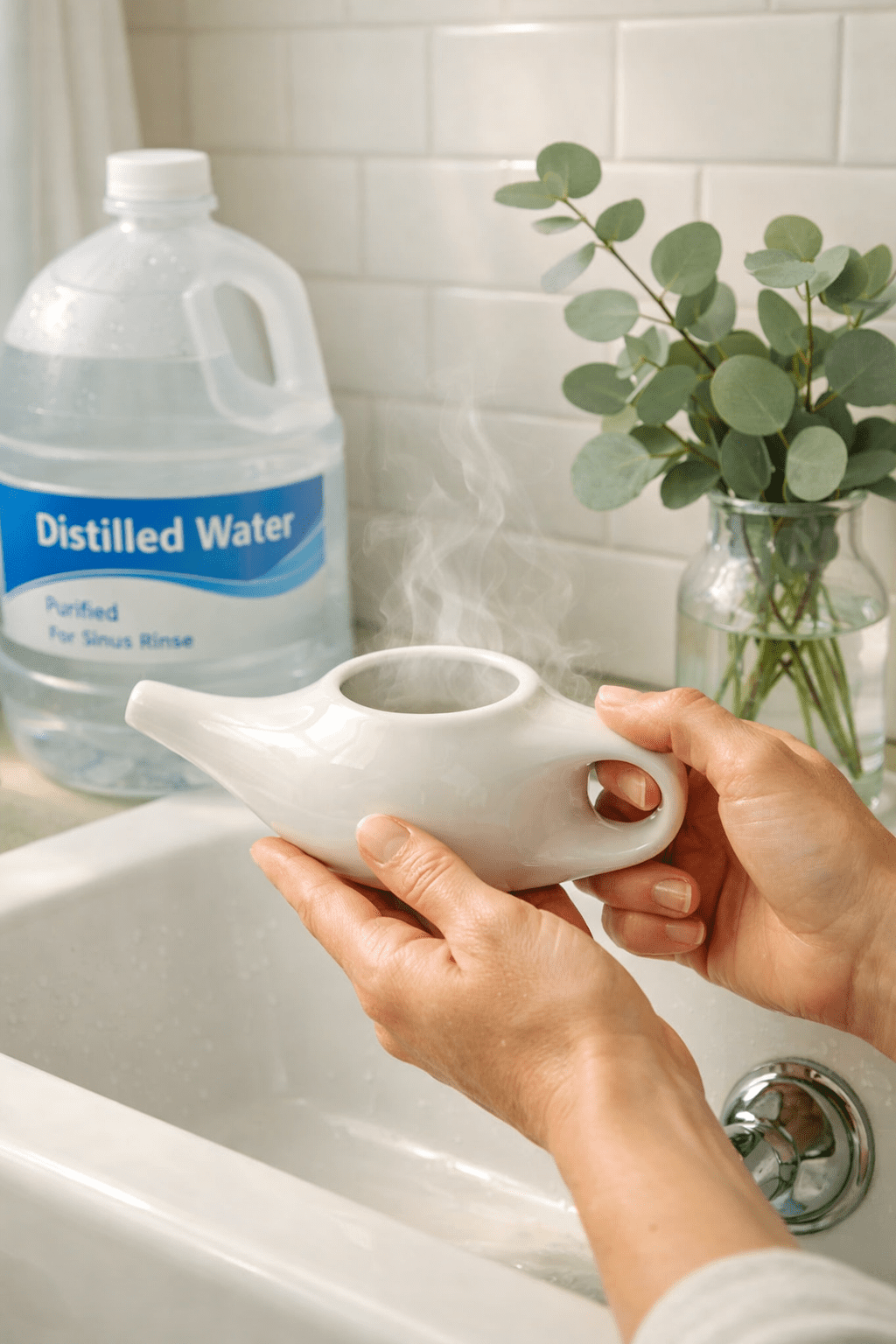
Saline nasal irrigation is the gold standard for clearing congested sinuses. This method uses a saltwater solution to flush out mucus, allergens, pollen, and other irritants from your nasal passages, reducing inflammation and often providing immediate relief.
How to do it safely:
- Use a neti pot, squeeze bottle, or bulb syringe designed for nasal rinsing
- Always prepare solution with distilled, filtered, or previously boiled water (never tap water to prevent rare but serious infections)
- Mix the correct salt-to-water ratio (pre-made saline packets ensure proper concentration)
- Tilt your head over a sink, insert the spout into one nostril
- Pour or squeeze solution through one nostril, letting it drain out the other
- Repeat on the opposite side
- Blow your nose gently afterward
Common mistake: Using tap water directly from the faucet. This can introduce harmful bacteria or amoebas into your sinuses. Always use distilled, filtered, or water that’s been boiled and cooled to room temperature.
Perform nasal irrigation 1-2 times daily when you have active sinus congestion. You can find ready-made saline solutions at any pharmacy, which provide the correct salt-water concentration to avoid nasal irritation. For more natural respiratory relief options, check out our guide to natural remedies for cough.
2. Warm Compresses: Simple Heat Therapy for Sinus Pain Relief
Applying a warm, moist compress to your face is one of the simplest and most soothing natural remedies for a sinus headache. The combination of heat and moisture helps open sinus passages, loosens clogged mucus, and eases facial pain.
How to make and use a warm compress:
- Soak a clean washcloth in warm (not hot) water
- Wring out excess water
- Fold and place over your forehead, cheeks, and bridge of your nose
- Leave in place for 10-15 minutes
- Repeat 3-4 times daily or whenever pain intensifies
- Reheat the cloth as needed to maintain warmth
The heat increases blood flow to the area, which reduces inflammation and helps your sinuses drain naturally. This method works especially well when combined with steam inhalation or done right before nasal irrigation.
Pro tip: For hands-free relief, use a microwaveable heating pad designed for facial use, or fill a clean sock with uncooked rice, microwave for 30 seconds, and use as a moldable compress that conforms to your face.
If you enjoy making your own remedies, you might also like our natural sinus chest rub recipe for additional respiratory comfort.
3. Steam Inhalation: Open Clogged Passages Naturally
Inhaling warm, moist steam is a time-tested method that helps thin mucus and open sinus passages, making it easier for your body to drain congestion naturally. The combination of heat and moisture creates an effective unclogging effect that can provide relief within minutes.
Three easy ways to use steam:
Hot shower method:
- Run a hot shower and close the bathroom door
- Sit in the bathroom (not directly in the water) for 10-15 minutes
- Breathe deeply through your nose
- Best for morning relief to start your day breathing easier
Bowl method:
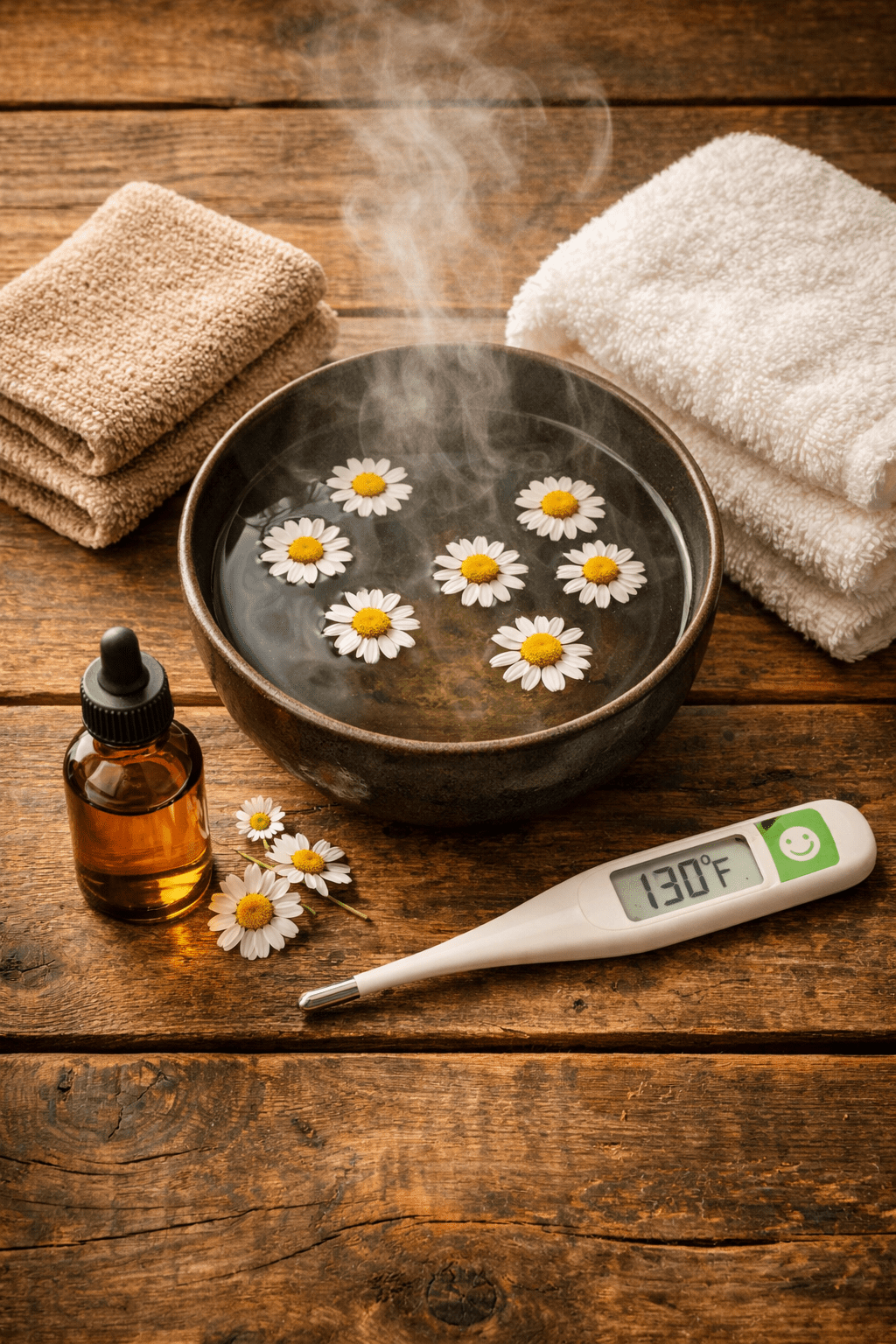
- Boil water and pour into a large, heat-safe bowl
- Optional: add 2-3 drops of eucalyptus oil (see below for safety notes)
- Drape a towel over your head to create a tent
- Lean over the bowl (keep face at least 12 inches away to avoid burns)
- Breathe deeply for 5-10 minutes
Humidifier or vaporizer:
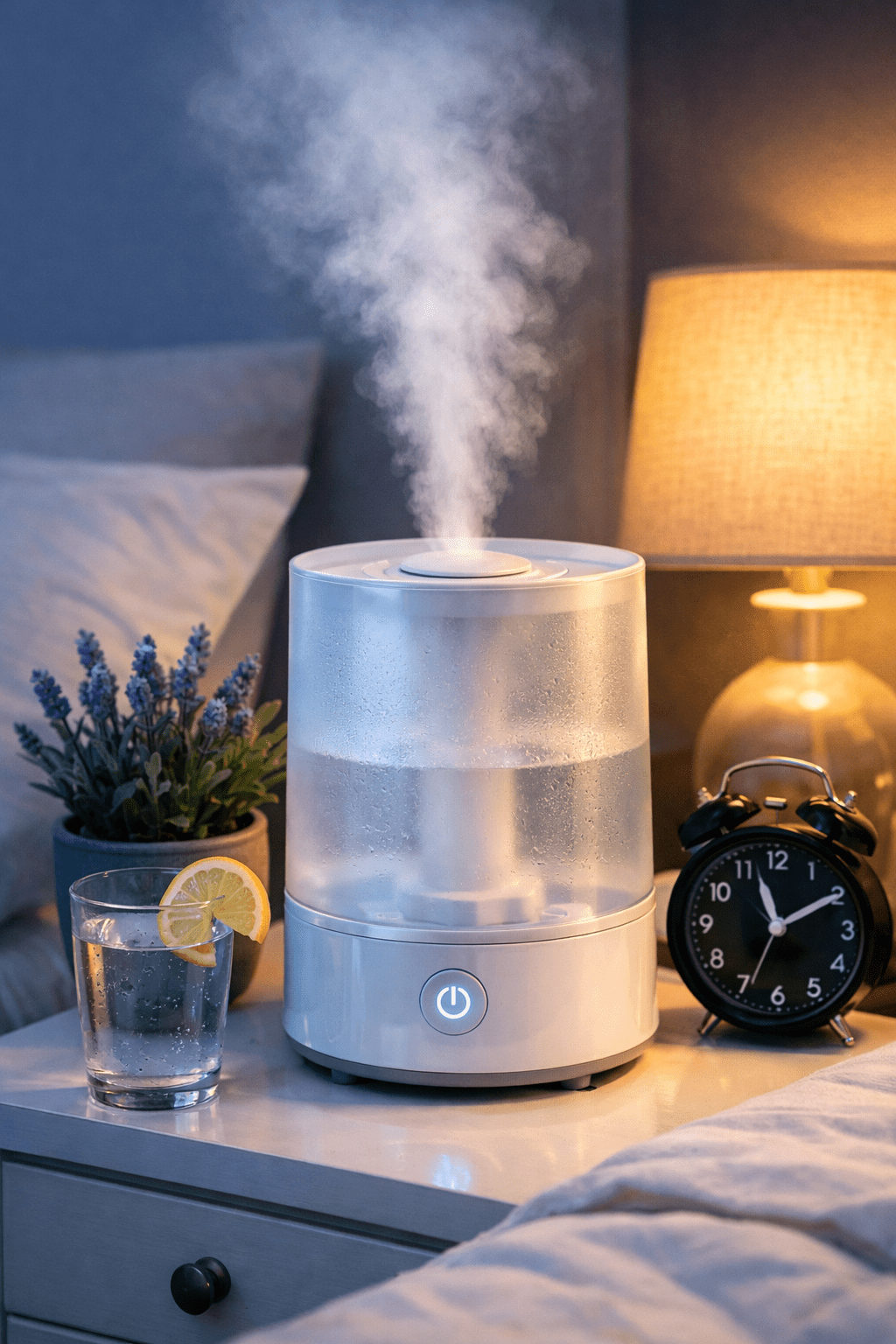
- Use a warm-mist vaporizer in your bedroom or workspace
- Provides continuous gentle steam
- Especially helpful overnight
Safety note: Keep your face far enough from hot water to prevent burns. If adding essential oils like eucalyptus, use only 2-3 drops maximum, as concentrated oils can irritate airways in some people. Never use essential oils in devices not designed for them, as they can damage humidifiers.
Eucalyptus contains cineole, a compound that may speed healing of viral sinusitis and help reduce nasal stuffiness, but it must be properly diluted and used with caution.
4. Hydration: Drink Your Way to Thinner Mucus
Staying well-hydrated is one of the most overlooked natural remedies for a sinus headache, yet it’s essential for keeping mucus thin and flowing. When you’re dehydrated, mucus becomes thick and sticky, making it harder for your sinuses to drain and increasing pressure and pain.
How much to drink: Aim for at least eight 8-ounce glasses of water daily when experiencing sinus symptoms. You may need more if you’re also running a fever or live in a dry climate.
Best fluids for sinus relief:
- Plain water – the foundation of good hydration
- Herbal tea – provides hydration plus steam inhalation benefits
- Hot broths – chicken soup or vegetable broth adds moisture and steam
- Warm lemon water – vitamin C plus soothing warmth
- Decaffeinated beverages – caffeine can be dehydrating in large amounts
Avoid or limit:
- Alcohol (dehydrating and can worsen inflammation)
- Excessive caffeine (can reduce overall hydration)
- Sugary drinks (may promote inflammation)
The steam from hot beverages provides a bonus benefit, delivering moisture directly to your nasal passages while you drink. Keep a water bottle with you throughout the day and sip regularly rather than drinking large amounts at once.
For more ways to support your body’s natural defenses, explore our collection of herbal teas for immunity and wellness.
5. Use a Humidifier and Elevate Your Head While Sleeping
These two nighttime strategies work together to prevent sinus membranes from drying out and to encourage natural drainage while you sleep, helping you wake up with less congestion and pain.
Running a Humidifier
A cool-mist humidifier adds moisture to dry air, which is especially important in winter when heating systems dry out indoor air, or in arid climates year-round. Dry air irritates sinus membranes, making inflammation worse and mucus thicker.
Humidifier best practices:
- Use distilled or filtered water to prevent mineral buildup and bacteria growth
- Clean the humidifier every 2-3 days according to manufacturer instructions
- Place it 3-6 feet from your bed for optimal moisture distribution
- Aim for 30-50% humidity in your bedroom (use a hygrometer to measure)
- Run it throughout the night for continuous relief
Common mistake: Neglecting to clean your humidifier regularly. A dirty humidifier can actually make sinus problems worse by dispersing mold spores and bacteria into the air you breathe.
Elevating Your Head
Sleeping with your head elevated helps gravity do its job, encouraging sinus drainage overnight and reducing the pounding sensation that often accompanies sinus headaches.
How to elevate properly:
- Use 2-3 extra pillows to prop up your upper body
- Or place books or blocks under the head of your mattress for a gentle incline
- Aim for a 30-45 degree angle rather than just propping your neck (which can cause neck pain)
- If pain is concentrated on one side, sleep on the opposite side to encourage drainage from the affected sinus
This positioning prevents mucus from pooling in your sinuses overnight and can significantly reduce morning congestion and headache intensity.
For a complete approach to natural remedies, these sleep strategies complement daytime treatments perfectly.

Additional Tips to Prevent Sinus Headaches
Beyond the five main natural remedies for a sinus headache, these preventive measures help reduce how often headaches occur:
Avoid environmental triggers:
- Stay away from cigarette smoke and secondhand smoke
- Limit exposure to strong perfumes, cleaning chemicals, and air fresheners
- Reduce contact with dust, pollen, and pet dander when possible
- Use an air purifier with HEPA filter to remove allergens from indoor air
Support your immune system:
- Get adequate sleep (7-9 hours nightly)
- Manage stress through relaxation techniques
- Eat a balanced diet rich in fruits and vegetables
- Consider vitamin C and zinc during cold season
Monitor weather and allergen levels:
- Check daily pollen counts if you have allergies
- Be prepared during weather changes (barometric pressure shifts can trigger sinus issues)
- Start preventive measures before allergy season peaks
When to see a doctor: If you experience severe pain, symptoms lasting more than 10 days, fever above 101°F, vision changes, or thick green/yellow discharge, consult a healthcare provider. These may indicate a bacterial sinus infection requiring antibiotics.
FAQ
How long does it take for natural remedies to relieve a sinus headache?
Many people feel relief within 15-30 minutes from steam inhalation or warm compresses. Nasal irrigation often provides immediate improvement. Complete resolution typically takes 3-7 days with consistent use of multiple remedies together.
Can I use essential oils for sinus headaches?
Yes, but with caution. Eucalyptus oil can help when properly diluted (2-3 drops in a bowl of hot water for steam inhalation). Never apply undiluted essential oils directly to skin or inside your nose, and avoid them if you have asthma or are pregnant without consulting a doctor first.
Is a sinus headache the same as a migraine?
No. Sinus headaches cause pressure and pain around your forehead, cheeks, and nose, often with nasal congestion. Migraines typically cause throbbing pain on one side of the head, sensitivity to light and sound, and sometimes nausea. If unsure, consult a healthcare provider for proper diagnosis.
How often should I do nasal irrigation?
During active sinus congestion, rinse 1-2 times daily. Once symptoms improve, you can reduce frequency or stop. Some people with chronic sinus issues use it preventively 3-4 times weekly.
Can children use these natural remedies?
Most remedies are safe for children with modifications. Avoid nasal irrigation for children under 2, supervise steam inhalation closely to prevent burns, and ensure warm compresses aren’t too hot. Always consult a pediatrician before trying new remedies on young children.
Why must I use distilled water for nasal irrigation?
Tap water can contain bacteria, amoebas, or other microorganisms that are safe to drink but dangerous if introduced directly into your sinuses. Rare but serious infections have occurred from using tap water in neti pots. Always use distilled, filtered, or previously boiled and cooled water.
Do natural remedies work for chronic sinus headaches?
Natural remedies can help manage chronic symptoms, but if you have frequent sinus headaches (more than 15 days per month), see a doctor to identify and treat underlying causes like allergies, nasal polyps, or structural issues that may require medical intervention.
Can I combine these remedies with over-the-counter medications?
Yes, natural remedies complement medications well. You can use decongestants, antihistamines, or pain relievers alongside steam, hydration, and nasal irrigation. However, natural methods may reduce your need for medication over time.
What’s the difference between a cool-mist and warm-mist humidifier?
Both add moisture to air effectively. Cool-mist humidifiers are safer around children (no burn risk) and use less electricity. Warm-mist humidifiers can feel more soothing but require more cleaning. Either type works for sinus relief.
Should I blow my nose hard to clear congestion?
No. Blowing too hard can force mucus and bacteria deeper into your sinuses or into your ears, potentially causing ear infections. Blow gently, one nostril at a time, or use saline irrigation to clear congestion more effectively.
Can diet affect sinus headaches?
Yes. Some people find that dairy products temporarily thicken mucus. Spicy foods can help thin mucus and open passages. Staying hydrated is the most important dietary factor. Anti-inflammatory foods like ginger and turmeric may also help reduce sinus inflammation.
How do I know if I need antibiotics instead of natural remedies?
See a doctor if symptoms last more than 10 days, worsen after initial improvement, include fever above 101°F, or if you have thick green or yellow discharge with facial pain. These signs may indicate bacterial sinusitis requiring antibiotics.
Conclusion
Natural remedies for a sinus headache offer effective, accessible relief by addressing the root cause of your pain—blocked sinuses and trapped mucus. By incorporating saline nasal irrigation, warm compresses, steam inhalation, proper hydration, and nighttime strategies like humidifiers and head elevation, you can breathe easier and feel better without always reaching for medication.
Your action plan:
- Start with nasal irrigation using distilled water to flush out irritants immediately
- Apply a warm compress to your face for 10-15 minutes to open passages
- Increase your water intake to at least eight glasses daily
- Use steam inhalation 2-3 times daily for quick relief
- Run a humidifier at night and sleep with your head elevated
Remember that mild sinus headaches often resolve naturally within a week with consistent use of these remedies. If symptoms persist beyond 10 days or worsen, consult a healthcare provider to rule out bacterial infections or other underlying conditions.
For more natural wellness solutions, explore our complete guide to natural remedies for beginners and discover how simple, natural approaches can support your health every day.